
Out-of-control parents
In the age of social media, parents are constantly questioning themselves. They ask whether they are doing enough for their children and whether they are raising them in the right way. Many find themselves in an ongoing internal struggle, and at times it can feel overwhelming. Some parents are more self-aware than others, but for many, their children are their greatest achievement. Beyond qualifications and job titles, people choose to have children because they want to care for someone and bring new life into the world. For most parents, that is something they value above everything else.
Children can be difficult, and there are moments when some parents may briefly wish things were easier or different, but those thoughts usually pass. Parental love is rarely in doubt, especially when there is a strong bond. Parents will go above and beyond for their children, and in many cases, those children will grow up to return that care if they have been nurtured and guided well. Watching your children grow, become part of society, and contribute in their own way is something many parents hope for. When children succeed, parents naturally feel proud and may even boast about them, which is simply part of human nature.
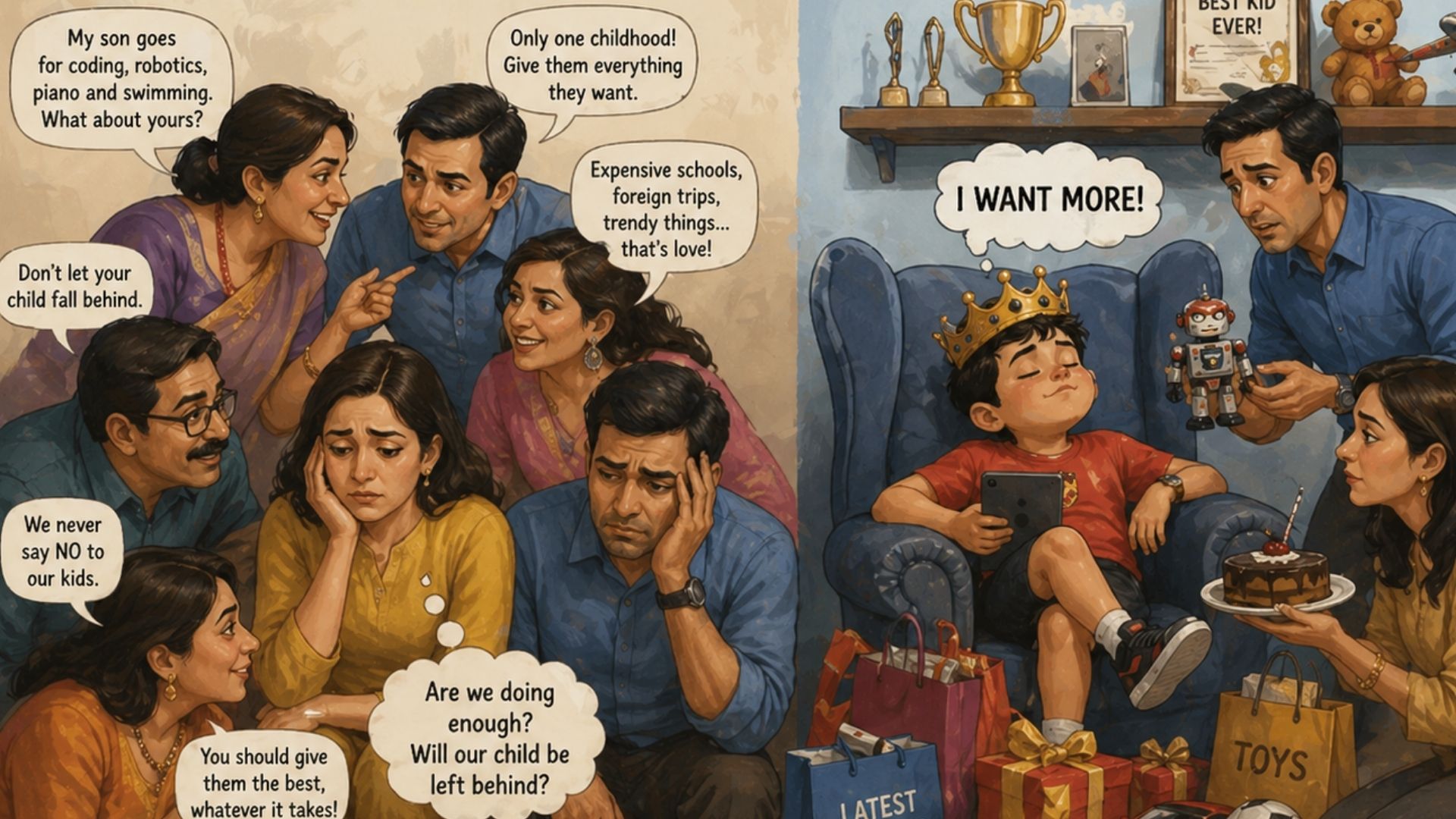
As social values shift and people become more influenced by online trends, some parents find others increasingly difficult to relate to. Children from Generation Z are often associated with short form video platforms such as TikTok, where self expression is constant and visible. There is a perception that this generation avoids responsibility, feeding into the idea of a so-called “lazy culture”. However, the issue is more complex, and it is not just about the children. Parental pressure has become a significant factor which has contributed to these social norms of having spoiled kids.
Today, some parents unintentionally place pressure on others, which can affect families with fewer financial resources. Parents from less advantaged backgrounds may struggle to keep up with trends, and relying on credit can lead to long term financial strain. Children across different backgrounds may still expect the latest phones or clothes so they can fit in with their peers. At the same time, some parents are involving their children more in financial decisions, which can blur boundaries and create a sense of entitlement if not handled carefully.
There is a need to ease this pressure, as it also affects schools and teachers, who then have to manage challenges that begin outside the classroom. Parents who are more financially comfortable should be mindful of their surroundings and consider how their choices might affect others, rather than constantly showcasing what they can afford.
It is understandable that some may feel it is not their responsibility to consider other families’ circumstances. However, even within more affluent households, there are parents trying to teach their children the value of money and the importance of not relying on material possessions for happiness. Reducing this sense of pressure would benefit everyone, as it helps prevent the development of entitlement and allows children to grow with a healthier understanding of value and responsibility.