
China’s presence is everywhere in Africa
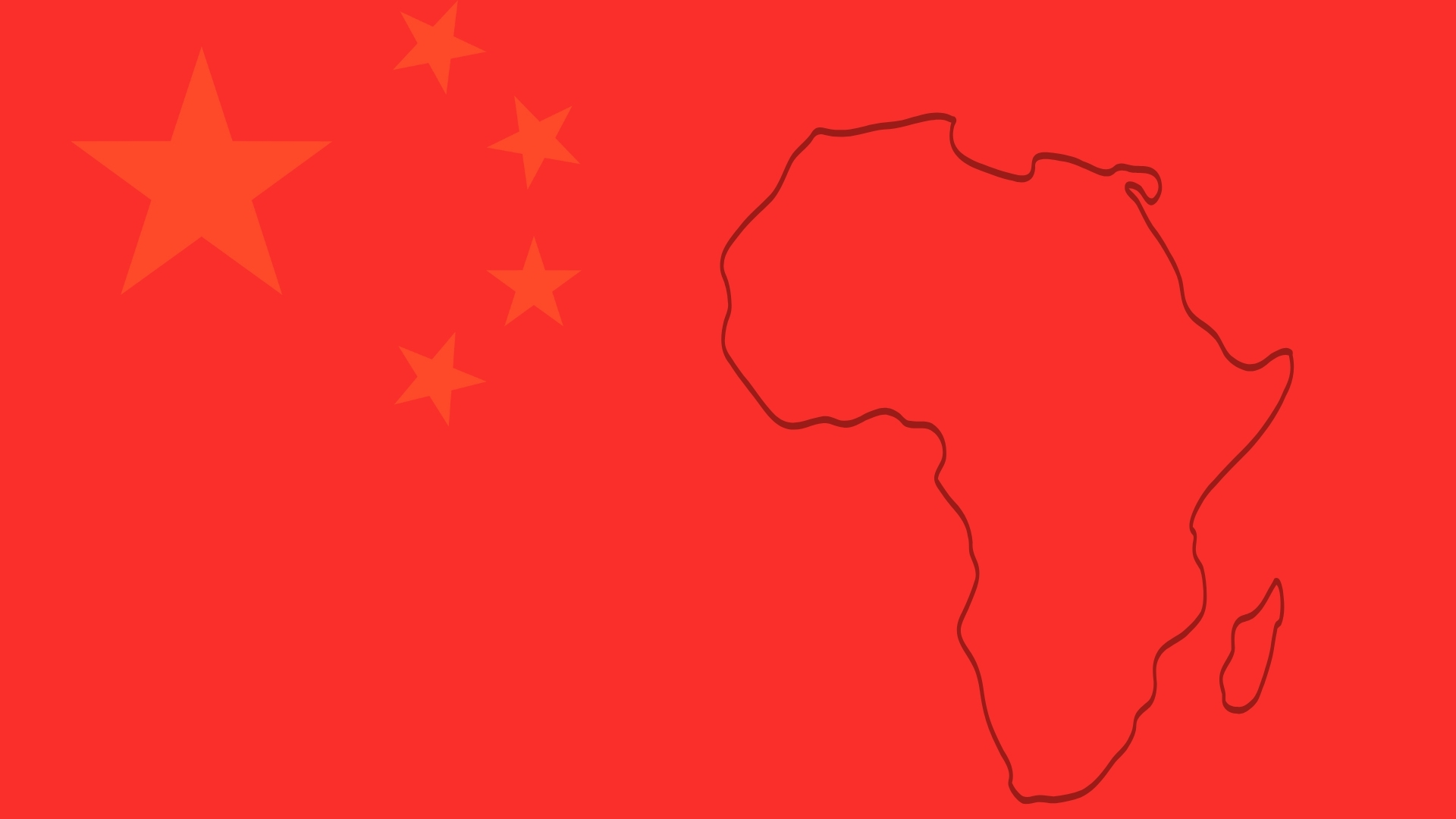
When you travel across Africa, one of the first things you notice is the significant Chinese presence. From consumer products to infrastructure projects and services, China has established a strong foothold throughout the continent. China is expanding its global influence and pursuing economic hegemony through its growing involvement in Africa. The continent is often viewed as a gold mine of natural resources and economic potential, and China has recognised and actively explored these opportunities.
With relatively weak protectionist policies in many African countries, political leaders often appear willing to welcome foreign investment opportunities, particularly when they benefit politically or financially from them. China has capitalised on this environment by building extensive service industries and flooding markets with affordable products. At the same time, corruption continues to play a major role in shaping African economies and politics. Many Africans, especially those in the diaspora who frequently return home, increasingly view these developments as a new form of neo-colonialism.
So, Fiddel asked Ade:
“With corruption being so deeply rooted, do you think African nations have enough power to build stronger economic integration and create a unified currency that could be used across the continent?”
Ade responded:
“Even corruption and weak currencies are part of a larger system of subjugation imposed by Western nations. Western countries often serve as safe havens for illicit wealth, and unfair trade practices continue to weaken African currencies. Furthermore, any decisive action against corruption, similar to the strict measures implemented in China, would likely attract political criticism and economic sanctions under the banner of human rights concerns.”
Fiddel added that the political environment in Africa makes it difficult to challenge corruption because it has become deeply embedded within political systems shaped by socialism, democracy, and post-colonial governance structures. Corruption has taken such a strong hold across parts of the continent that removing it has become extremely challenging. China has recognised this weakness and used it as an opportunity to expand both its economic influence and domestic market access in Africa.
Fiddel then asked Ade:
“But don’t you think Africa’s growing relationship with China is deepening corruption even further because many leaders are simply chasing Chinese investment and money?”
Ade replied:
“There are no handouts in international relations. Whether it is China, Russia, or Western nations, every country prioritises its own national interests above fair trade relations. Africa needs unity in order to gain bargaining power. However, deliberate foreign subjugation disguised as foreign aid, development assistance, and foreign direct investment (FDI) continues to weaken Africa’s ability to negotiate effectively. African nations are begging when they should be negotiating from a position of strength, especially considering the natural resources the world depends on.”
Fiddel responded:
“But Africa has become so dependent on foreign aid that there are now military bases from countries like China and the United States, alongside involvement from NATO. Much of this influence stems from the aid Africa receives from foreign powers. The lack of meaningful control over foreign direct investment prevents Africa from using its resources to dominate within the global economy and negotiate trade agreements that truly benefit the continent. Instead, African countries remain trapped in political conflicts while China continues to benefit from Africa’s wealth. In 1995, before joining the WTO, China was still considered a developing country. Today, it is a global economic powerhouse. I disagree with the idea that Africa cannot establish economic independence, strengthen its currencies, reduce corruption, and create stronger integration.”
Ade responded:
“But your argument actually supports my position. You admit that foreign aid creates military and political dependence, that is exactly the problem. Secondly, there is already substantial foreign direct investment in Africa. In fact, there are more foreign companies operating in Africa than many people realise. The issue is not the absence of FDI; it is Africa’s lack of equal negotiating power. FDI itself can become another exploitative tool when agreements are unbalanced.”
He continued:
“China’s rise was built on sacrifice. China rejected many of the policies and systems that African nations continue to embrace. As a communist state, it implemented harsh measures to address corruption, poverty, and economic stagnation, measures that still attract criticism internationally today. But China pursued its national interests regardless of external opinion. Africa, on the other hand, remains constrained by political systems and oligarchic structures presented as democracy, systems that often benefit local elites and foreign powers more than ordinary Africans.”