
A craftsman on the court
The trade between the Los Angeles Lakers and the Dallas Mavericks for Luka Dončić was highly unusual, and it felt as though the deal never made sense, as the Mavericks were losing one of their best players during the season. Anthony Davis was not the player he once was, while Luka was only just getting started. This trade led to the General Manager of the Mavericks being dismissed, and it created a new pathway for the Lakers.
Since the Lakers won their championship with LeBron James during the COVID year, they have found it difficult to attract new and exciting players, and building a team around LeBron, who is nearing retirement age, does not make sense. Anthony Davis did not have the pedigree to shoot threes and drive to the paint as Luka does. There has also been speculation that LeBron wanted Luka, as he admired him and believed he could become the next major face of the NBA.
What many people may not realise about Luka is that he has been performing at a high level in Europe for many years. He effectively conquered the EuroLeague before being drafted into the NBA. Both younger and older NBA players were already familiar with Luka through the FIBA international circuit, as well as his trophy wins with Real Madrid Basketball.
The Mavericks attempted to build a team around Luka, but a lacklustre roster and a turbulent front office failed to produce meaningful playoff runs or even a finals appearance.
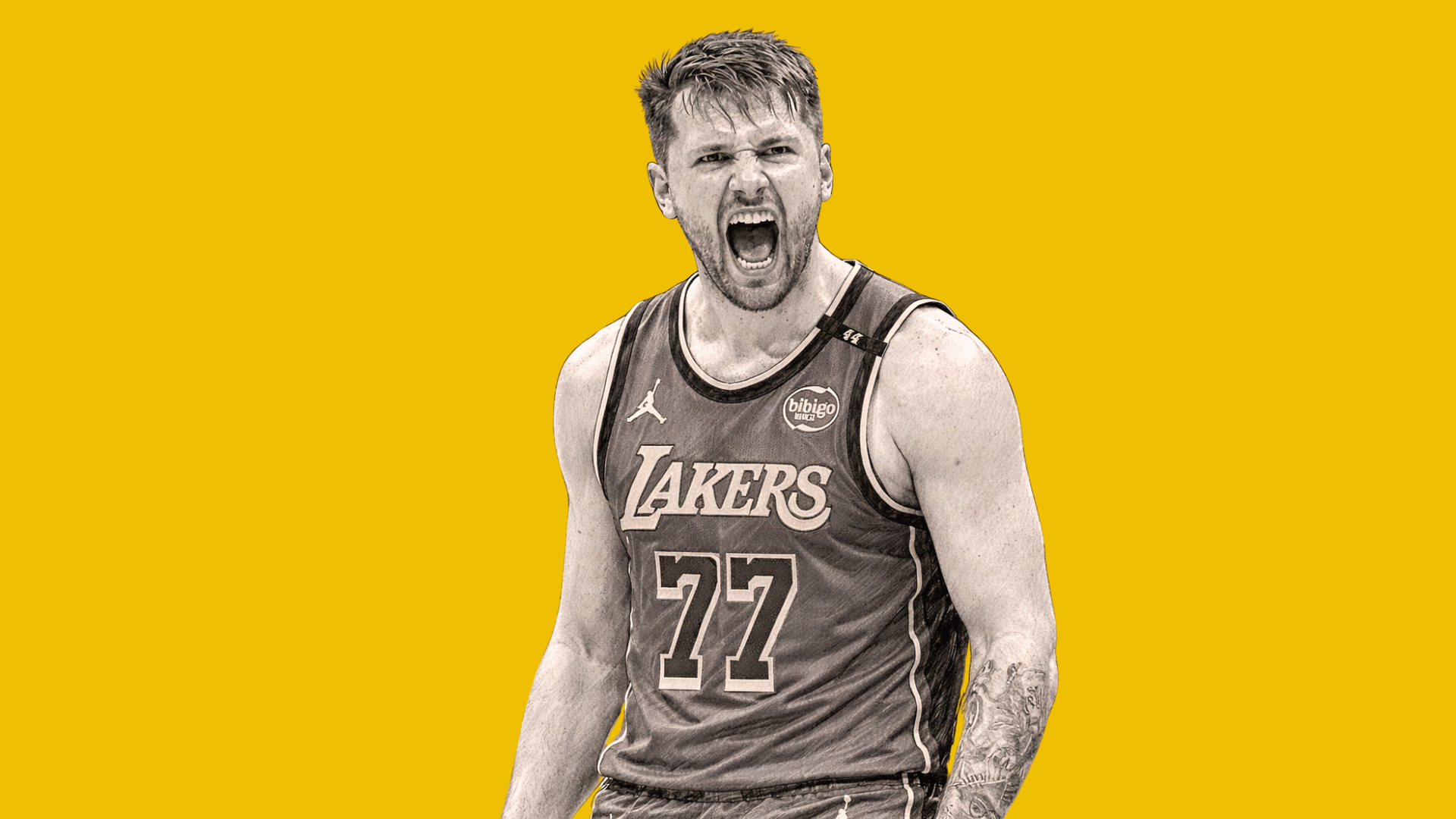
Luka Dončić has become a comfort watch for many fans, possessing a dynamic skill set that few players in the NBA can match. He does not physically impose himself in the way players such as Victor Wembanyama or LeBron do, and this is one reason why some pundits and commentators do not take him as seriously in the race for the MVP award.
There is also a perception that the league is reluctant to see him win MVP because, at times, Luka does not present himself as the ideal role model. His regular verbal confrontations with referees, along with fines and ejections from games due to technical fouls and on-court incidents, do not reflect well on his candidacy this season.
However, greater emphasis should be placed on his performances and contributions on the court, as this is what the MVP award ought to recognise. External factors can play a role, but they should not disqualify him from contention. Based on his statistics this season, averaging 33.7 points, 8.2 assists and 7.8 rebounds per game, he deserves to be firmly in the discussion for the MVP race.
In many sporting governance organisations, including the NBA, there appears to be a level of politics that undermines the game. There is little justification for why players are sometimes overlooked for major awards despite their statistical achievements.
Each year, awards such as MVP often seem to favour the player who fits a particular image, whether as a role model or the public face of the league.
Players are not always recognised purely for their talent or their ability to create cohesion within a team and elevate their teammates. This is precisely what Luka has done throughout the season.
The Lakers have enjoyed one of the strongest winning streaks this year, largely due to Luka’s influence, and he is leading the league in scoring. It remains puzzling that he is not more prominently featured in the MVP conversation, as he clearly merits serious consideration.