
Midfield masterclass
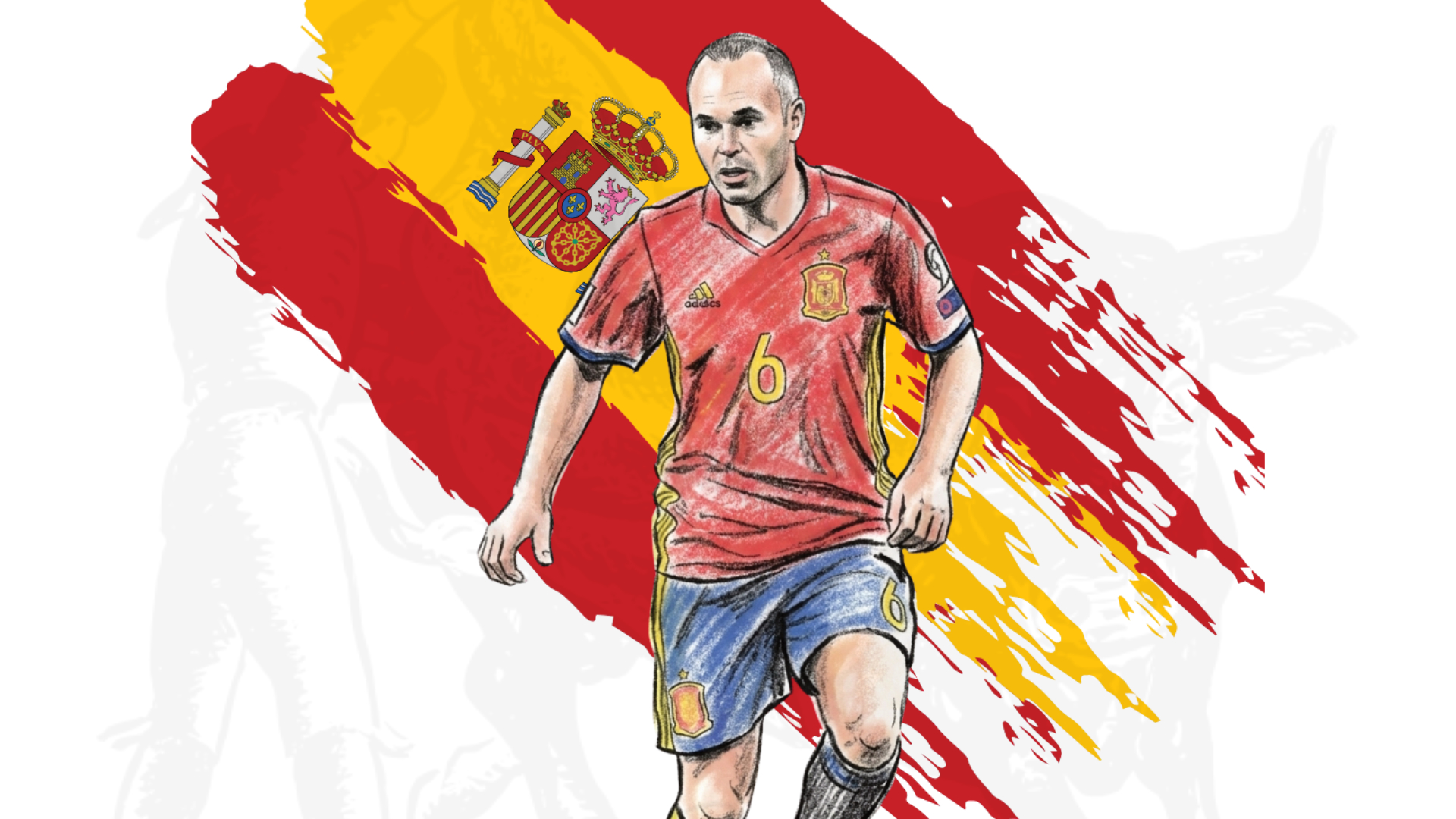
On 11 July 2010, an entire nation held its breath. Deep into extra time of the FIFA World Cup Final, Andrés Iniesta produced the moment that would change Spanish football forever. His decisive strike against the Netherlands delivered Spain’s first World Cup and immortalised a player whose brilliance had long transcended statistics and headlines.
While others commanded attention through flair and spectacle, Iniesta built his legacy through intelligence, composure and an unrivalled understanding of the game.
The Spanish maestro possessed a rare ability to make football appear effortless. Blessed with exceptional close control, vision and spatial awareness, he could navigate the most congested areas of the pitch with remarkable ease. Opponents struggled to contain him, not because of overwhelming physical attributes, but because he always seemed to be several steps ahead. Iniesta’s gift was seeing possibilities before they emerged, dictating the tempo of matches and creating opportunities where none appeared to exist.
At Barcelona, he became a cornerstone of one of the greatest club sides in football history. Alongside Xavi Hernández, Sergio Busquets and Lionel Messi, Iniesta helped redefine modern football, winning every major honour while perfecting a style built on possession, movement and technical excellence.
Yet his greatest achievements came during Spain’s golden era. As La Roja conquered Europe and the world between 2008 and 2012, Iniesta was the heartbeat of a generation-defining team. His performances embodied everything that made Spain great.
A World Cup winner, a serial champion and one of football’s finest craftsmen, Iniesta’s legacy is not measured solely by trophies but by the way he played the game. Humble, graceful and endlessly influential, he remains one of the greatest midfielders football has ever known.