

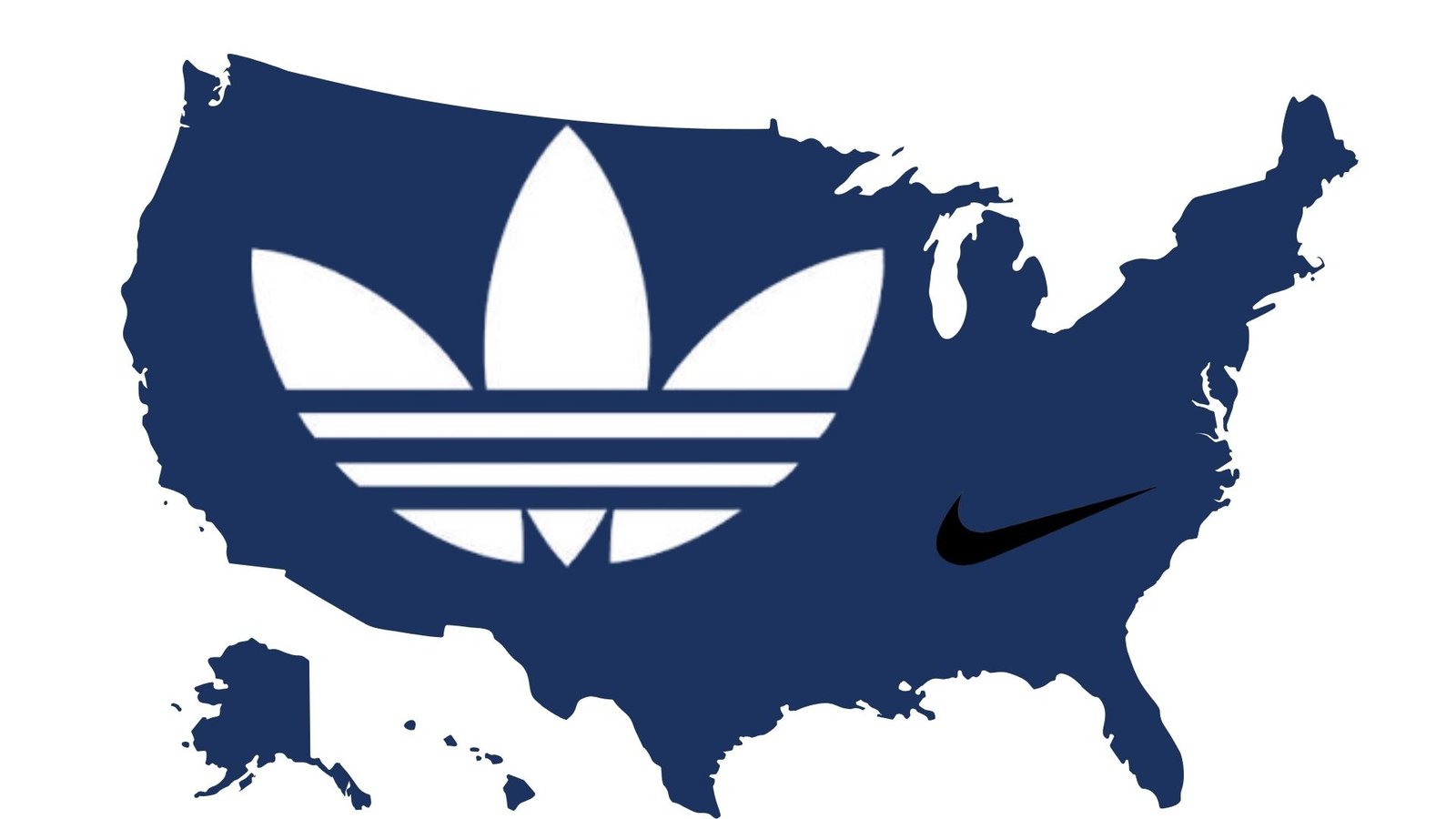
This is embarrassing
It is getting to the point where Nike’s struggles are becoming embarrassing. Over the last couple of years, the company has found it increasingly difficult to compete with Adidas. Once a dominant force in the lifestyle and sneaker market, Nike now appears to be chasing its rivals and struggling to find a business model that can restore its momentum. Although the Jordan Brand has generated significant revenue and helped increase Nike’s market share for many years, giving Adidas little room to compete, that advantage appears to be fading.
Nike has reported lower annual turnover, while consumer tastes and preferences have shifted. Adidas, meanwhile, has implemented a different strategy that directly targets areas Nike has neglected for years. The 2026 FIFA World Cup has highlighted this shift. Despite the tournament being hosted on home soil, Nike has struggled to establish the same level of visibility as Adidas. Adidas branding has been prominent throughout the tournament, and the company has also dominated sales of many national team jerseys.
The Adidas approach appears to be paying off. The company has successfully reclaimed the low- and mid-fashion sneaker market by reviving iconic silhouettes such as the Samba and Campus. By modernising these classic designs, Adidas has reminded consumers that it can produce stylish, fashionable trainers that appeal to a broad audience.
Meanwhile, Nike’s Jordan and Air lines appear to be losing some of their appeal among female consumers, many of whom are increasingly choosing Adidas Sambas or Campus trainers instead. In football, Adidas continues to strengthen its position and has demonstrated its dominance in the sport. It is striking that Nike has struggled to compete with a European brand during a World Cup hosted in the United States, particularly when it comes to brand visibility and marketing.
Looking ahead, Nike will need to rethink its strategy. Rather than relying so heavily on global superstar endorsements, the company could benefit from investing more in influential lifestyle creators and micro-influencers who resonate with younger audiences. Figures such as Molly-Mae Hague demonstrate how digital personalities can shape consumer behaviour and fashion trends. A more grassroots, community-focused marketing approach may help Nike reconnect with younger consumers.
However, regaining ground in football will not be easy. Adidas has built a formidable position through decades of investment, innovation, and strong relationships with clubs, federations, and fans. While it would be premature to say Nike cannot recover, the company faces a significant challenge if it hopes to close the gap and reclaim its dominance in one of the world’s most competitive sporting markets.