
What is the EU doing about this
In recent years, several professional footballers have worked with charities in the UK and across Europe to help tackle poverty as part of their philanthropic efforts. Many players have spoken openly about the financial hardship they experienced while growing up, explaining how food insecurity and poverty shaped their childhoods. By supporting charitable initiatives, they hope to raise awareness of these issues and help vulnerable families become more financially secure.
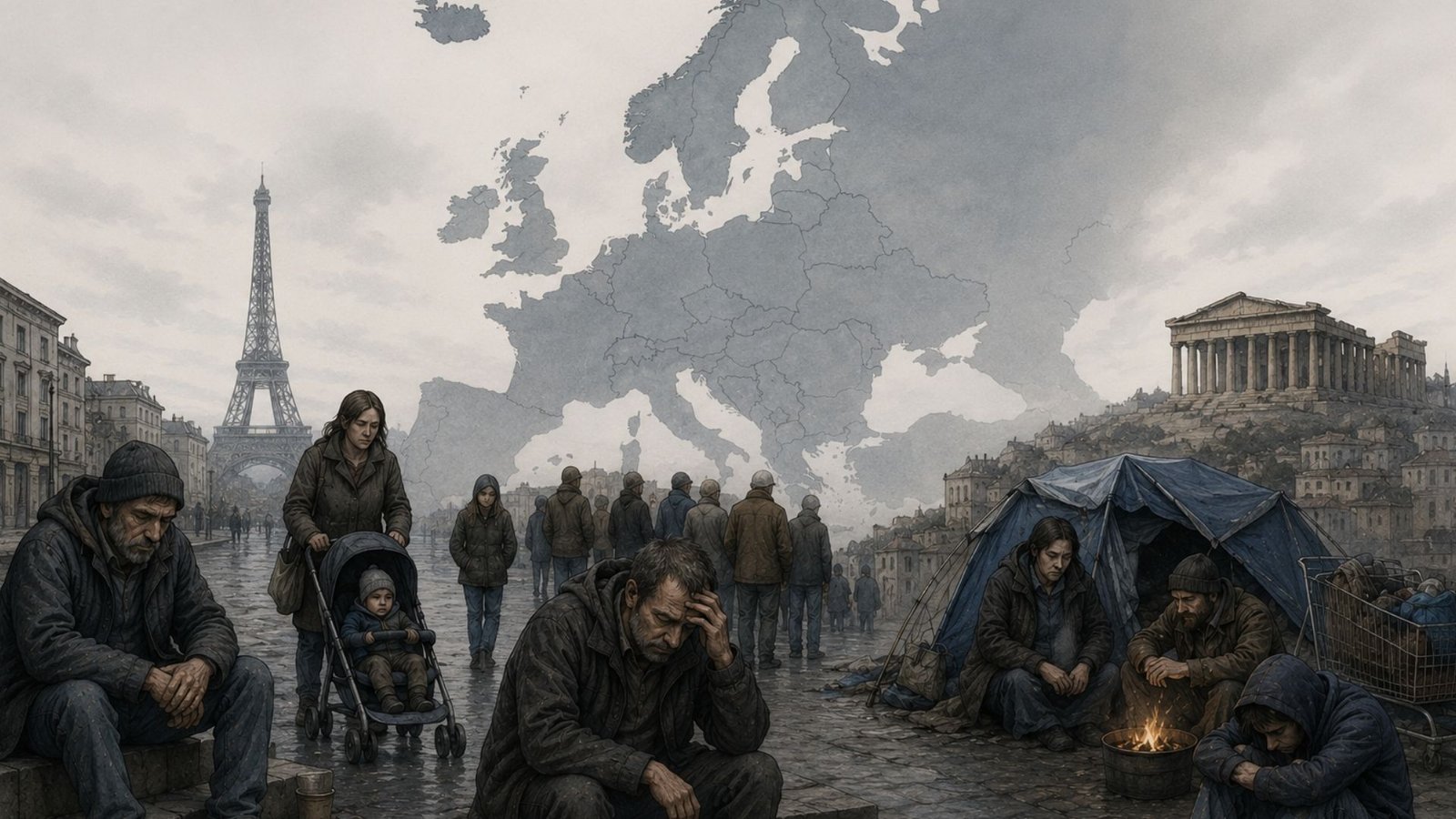
The rising cost of food has become a significant concern across Europe. More households are turning to food banks and community food programmes as they struggle with higher living costs. In the UK, food prices have increased substantially over recent years, placing additional pressure on family budgets. While a range of factors, including global supply chain disruptions, inflation, energy prices, and post-Brexit trading arrangements, have contributed to these increases, the overall effect has been a higher cost of living for many households.
Higher interest rates and persistent inflation have also made it more difficult for families to manage everyday expenses. According to Eurostat, millions of people across the European Union remain at risk of poverty or social exclusion. These figures highlight the scale of the challenge facing governments as they attempt to balance economic growth with support for vulnerable communities.
Many economists argue that governments should consider targeted support measures to help households affected by conflict, rising prices, and wider economic uncertainty. However, implementing large-scale stimulus programmes is challenging when many European countries are also managing high inflation, public debt, and slowing economic growth.
The involvement of high-profile footballers in anti-poverty campaigns demonstrates how influential public figures can help draw attention to important social issues. Whether through fundraising, food programmes, or community initiatives, their contributions can complement government efforts and encourage wider public support.
In conclusion, reducing poverty across Europe will require more than charitable donations alone. Long-term progress will depend on effective economic policies, sustainable job creation, investment in education and skills, and targeted support for those most at risk. While European institutions and national governments have introduced measures to address poverty, significant challenges remain, particularly in regions where economic inequality persists.