
He does seem to act like it
The term bourgeoisie is most commonly associated with the writings of Karl Marx and Friedrich Engels, referring to the capitalist class that owns the means of production. Fidel Castro also used the term in the context of Cuba to criticise the country’s wealthy and middle classes before the Cuban Revolution. Today, however, the concept has taken on a broader meaning, often describing powerful business leaders whose wealth and influence extend far beyond the corporate world.
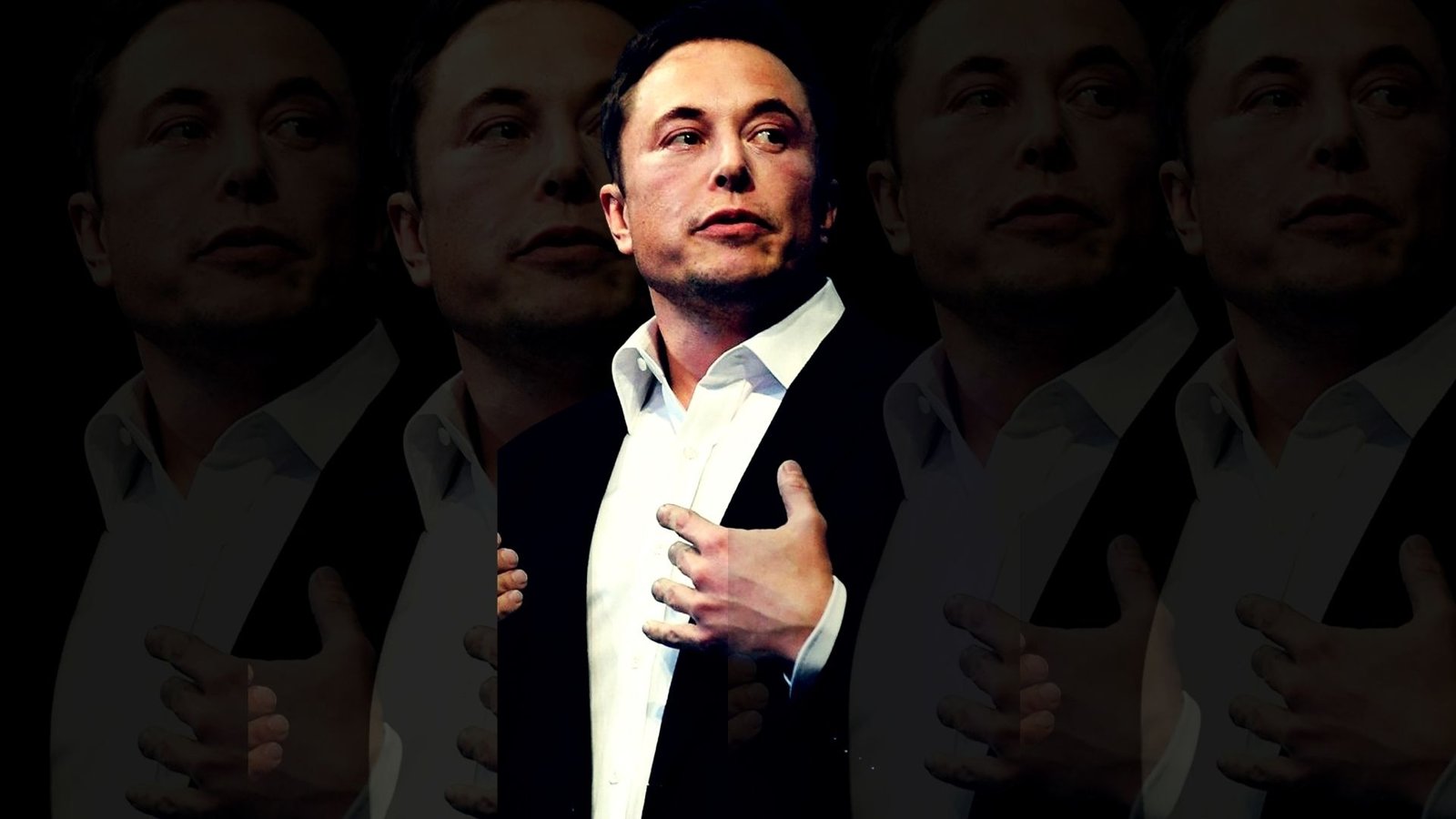
Some argue that a new form of bourgeoisie has emerged; one driven by capitalism, wealth accumulation, and large-scale acquisitions. Elon Musk is frequently viewed as one of the most prominent figures in this modern capitalist elite.
Unlike many wealthy entrepreneurs who devote substantial portions of their fortunes to philanthropy, Musk has largely focused his resources on expanding his business empire through ambitious ventures and high-profile acquisitions. His long-term vision appears to be centred on leaving a lasting legacy through technological innovation and space exploration.
Musk’s achievements in innovation are difficult to dismiss. Through Tesla, he has helped accelerate the adoption of electric vehicles, while SpaceX has transformed the commercial space industry by developing reusable rocket technology and reducing the cost of space launches.
He also played a significant role in the early development of PayPal, a company that helped popularise digital payments and influenced the growth of the modern financial technology (fintech) sector.
Despite these achievements, Musk continues to divide public opinion. Supporters view him as an entrepreneurial visionary who challenges conventional thinking and drives technological progress. Critics, however, argue that his management style, public statements, and business decisions have made him an increasingly controversial figure.
His acquisition of X demonstrated both his financial influence and his willingness to reshape major communication platforms according to his own vision. The takeover significantly increased his influence within the technology sector and placed him alongside other powerful technology leaders, such as Mark Zuckerberg, in shaping online discourse.
Musk has also faced criticism for his leadership style. His decision to require many Tesla employees to return to the workplace rather than continue working remotely sparked widespread debate about workplace flexibility and corporate culture. To supporters, this reflected a focus on productivity and innovation. To critics, it highlighted a more authoritarian approach to management, which can sometimes be vague.
Whether viewed as an innovator, a capitalist, or a controversial business leader, Elon Musk remains one of the most influential figures of the twenty-first century. His impact on technology, finance, transportation, and space exploration is undeniable, even as debate continues over the methods he uses to achieve his ambitions, but he still acts like a bourgeois, especially in his mindset and thinking.