

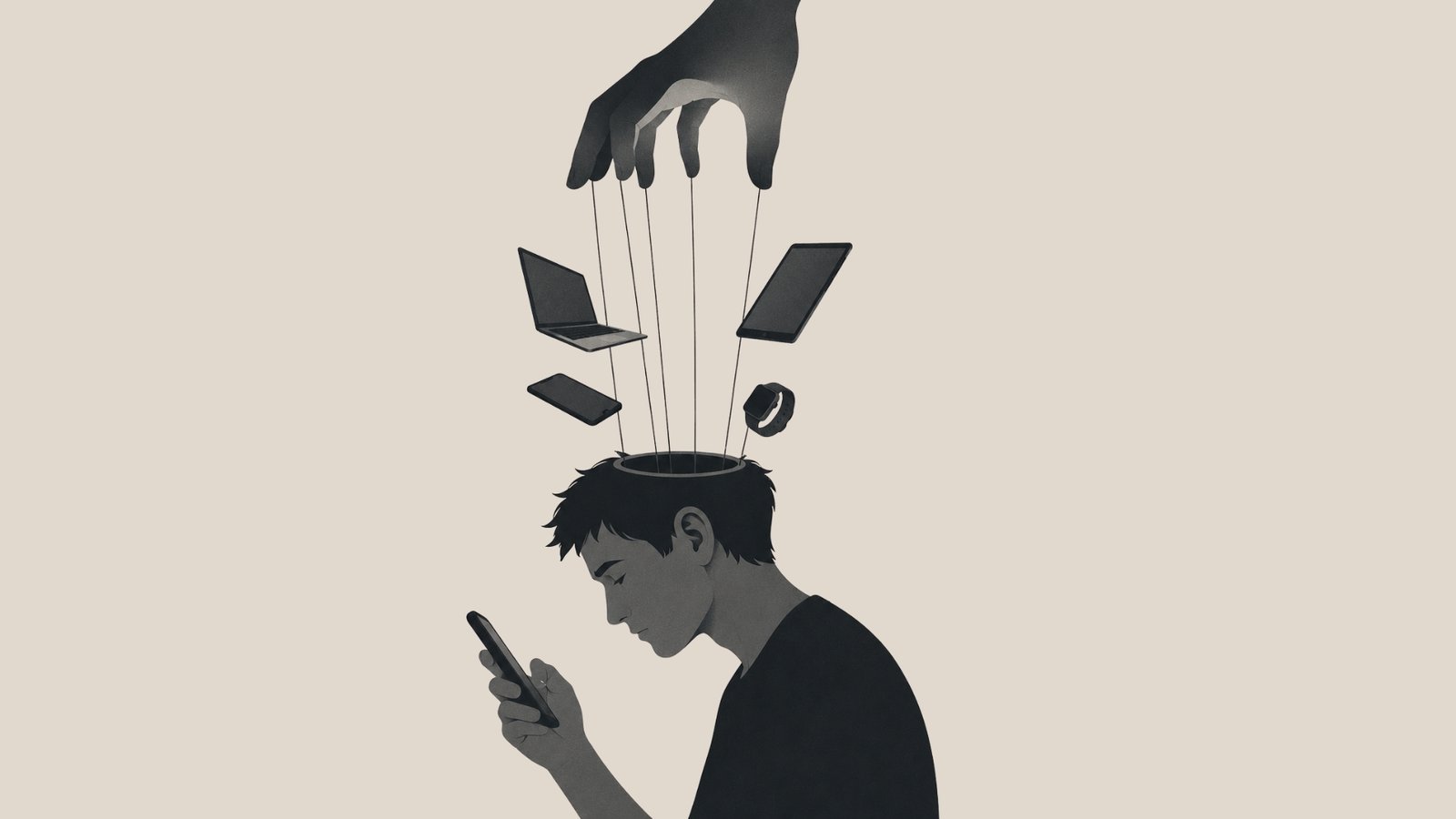
We have become dependent
Smart devices have transformed consumers’ lives, bringing both positive and negative changes to everyday habits. Smartphones have accelerated the Information Age, making information more accessible than ever before and allowing people to share data instantly across a connected global marketplace. As digital technology has advanced, the development of artificial intelligence (AI) has naturally become part of this technological evolution.
The rise of smart devices has also paved the way for AI-powered technology. Voice assistants, smart home systems, and connected devices have made everyday tasks more convenient by allowing people to control lighting, heating, entertainment systems, and other appliances without leaving the comfort of their surroundings.
The rapid development of AI is exciting, but it can also be unsettling. Artificial intelligence has become a fundamental part of research and development across many industries. The creation of increasingly sophisticated robots and AI systems capable of performing tasks that once required human intelligence demonstrates how this technology could reshape the future of work and society.
Despite these advancements, many consumers have become increasingly dependent on AI-powered assistants to manage their daily routines. Whether it is adding meetings to a calendar, setting reminders, ordering groceries, or booking restaurants, voice assistants have become integrated into everyday life. This growing reliance raises an important question: are we becoming too dependent on AI to perform tasks that we once completed ourselves?
Some critics argue that AI-powered assistants are not simply personal convenience tools. They also collect user data to improve their services, personalise recommendations, and develop more advanced technologies. While companies state that these systems are designed to enhance user experiences, concerns remain about privacy, data collection, and the increasing automation of everyday life.
The rise of self-checkout systems, autonomous vehicles, and increasingly automated transport technologies also illustrates how AI is reducing the need for direct human involvement in many routine tasks. Although these innovations can improve efficiency and convenience, they also raise questions about employment, human interaction, and society’s growing dependence on intelligent machines.
Companies such as Amazon continue to invest heavily in robotics and automation, while Meta is developing wearable technologies such as smart glasses that integrate AI into everyday life. Supporters see these innovations as tools that enhance productivity and communication, while critics worry that they may encourage greater dependence on technology and reduce people’s willingness to think independently or solve problems without digital assistance.
The AI revolution has already begun, and its influence will only continue to grow. The real challenge is not whether artificial intelligence will become part of our daily lives; it already has, but whether society can embrace its benefits without becoming overly reliant on it.