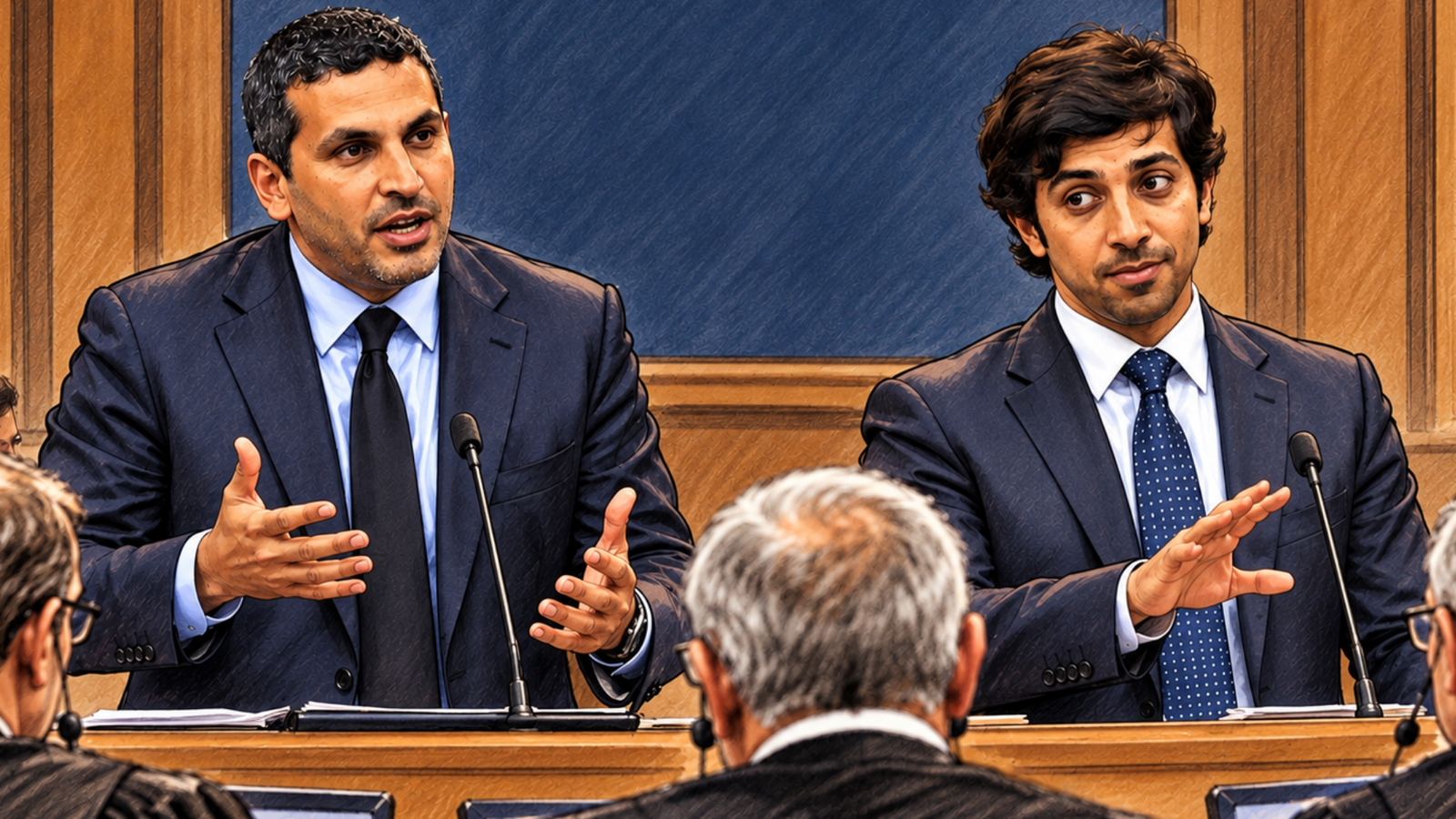

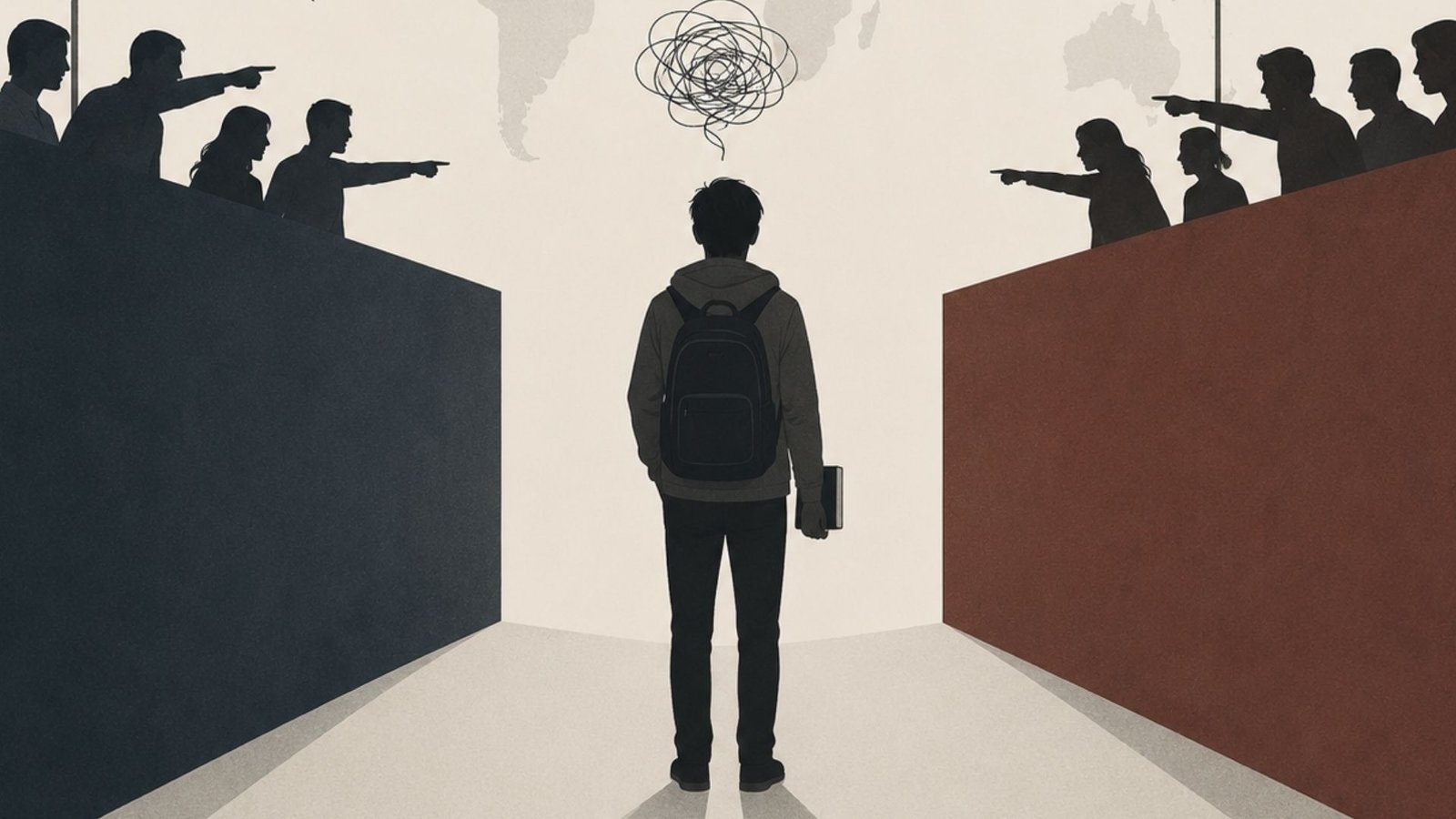
The Education Cold War
The rivalry between China and the United States has been building for years now, and it’s starting to spill over into more than just trade, technology, and politics. What used to feel like a government-level issue is now quietly affecting ordinary people too, especially students trying to study abroad.
In recent years, the United States has taken a more cautious and protectionist approach in its relationship with China. This includes tighter scrutiny of certain visa applications and closer monitoring of academic partnerships. As a result, some Chinese students have found the process of studying in the US more uncertain and, at times, more difficult. If these trends continue, it could start to influence how attractive Western universities are to international students more broadly.
It’s not just the US either. Other Western countries, including the United Kingdom, are also rethinking parts of their immigration and international education policies. If restrictions on Chinese students were to increase, the impact could be significant, as they are considered the backbone of the UK’s economic growth. International students contribute billions to the UK economy through tuition fees, housing, transport, and everyday spending. A drop in numbers wouldn’t just affect universities; it would also be felt by local businesses and communities that rely heavily on student populations.
This growing tension has been described by some as an “education Cold War,” and while the term may sound dramatic, it does reflect a real concern: that education is becoming another space influenced by global politics. For decades, international education has been one of the strongest bridges between countries, allowing ideas, research, and cultures to move freely across borders.
Many students who study abroad, particularly those from China, return home with new skills, global perspectives, and academic experience that can contribute to innovation and economic growth. That exchange of knowledge has benefited both sides for a long time.
If political tensions continue to restrict academic mobility, there is a risk that everyone loses out. Opportunities for collaboration, innovation, and talent development could shrink on both sides. Instead of becoming another arena for political competition, higher education should remain what it has always been at its best: a bridge between countries, not a barrier. This is not just affecting the global economy; it can also have an impact on social factors such as education and literacy rates globally.