
Do we need to worry?
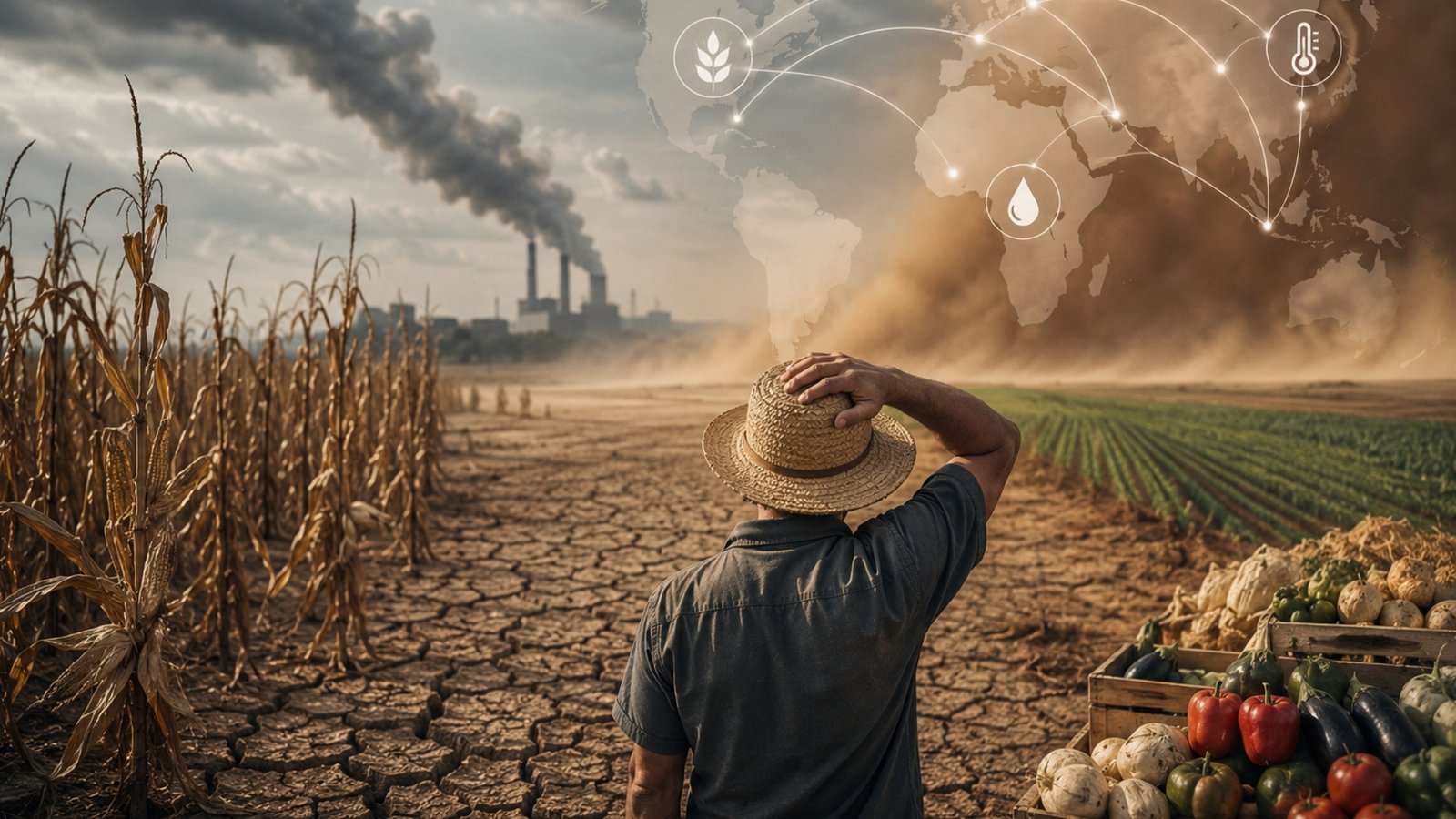
Thinking deeply about the global food supply can leave many people feeling uneasy. The production and consumption of food have long been at the centre of political and economic debate. Food security has become a strategic issue, and governments that control the production or export of key agricultural commodities can exercise significant influence over global markets.
In theory, food should not be scarce. The world’s diverse climates allow a wide variety of crops to be grown across different regions, making global food production possible on a large scale. However, many countries rely heavily on imported grains, fertilisers, and other essential agricultural products. As a result, conflicts, trade restrictions, sanctions, and disruptions to supply chains can create shortages and drive up food prices in countries that depend on imports.
Geopolitical tensions can also affect the global flow of food and energy. When conflicts disrupt major shipping routes or the production of key commodities, the consequences are often felt far beyond the countries directly involved. For this reason, many argue that international organisations such as the United Nations should continue to promote diplomatic solutions that help protect global trade routes and maintain the steady movement of food and other essential resources.
Another question that is sometimes raised is whether global food shortages are part of a wider agenda to reduce the world’s population. While concerns about food insecurity are understandable, there is no credible evidence to support claims that global food shortages are the result of a coordinated depopulation agenda.
What is clear, however, is that millions of people continue to experience hunger and malnutrition, particularly in lower-income countries where conflict, poverty, climate change, and economic instability limit access to nutritious food.
According to The Economist, the global food system faces significant challenges, including climate change, supply chain disruptions, and rising production costs. However, these challenges do not necessarily mean that the world is running out of food. Many experts argue that the greater issue is the unequal distribution of food, food waste, and access to affordable nutrition rather than a lack of the planet’s ability to produce enough food.
The challenge facing the global food system is not simply one of production, but of distribution, affordability, and political stability. Addressing these issues will require greater international cooperation to ensure that food reaches the people who need it most.