
The promotion of realism must be present
The right to know is as old as man, and it bred the right to tell. This right invariably grew into modern-day journalism.
The right is now universally protected as a human right. First, as freedom of expression: the freedom to disseminate what is seen, witnessed, and told lawfully, by means deemed fit.
However, some of the values held sacrosanct in journalism, such as honest representation of facts, objective presentation, and balance of opinions, are becoming lost values in African journalism.
At the cradle, even as a trainee and later as a newbie, searching, digging, and getting the truth are always the watchwords. Truth be told, even on the world stage, objectivity is becoming a scarce virtue.
News media encouraging subjective interpretation of news and developing stories is not uncommon; hence, different media will report the same event in the different ways that suit them.
This is not about the organisation’s house style; it is about organisational preferences and loyalty. It is not about describing an elephant from different angles; it is a deliberate representation or misrepresentation of the elephant as a chicken to some gullible public.
Fake news, it is called. Repeating lies so often that they become believable.
Terrible as this may sound, and with hope seeming lost for objective journalism, patriotism is still not totally lost in most of the segregated Western news media.
At least, everyone claims to protect the public’s right to know the truth as they perceive it. But the contrary is the case in African journalism.
First, the foundational values are not even a concern. Honestly, objectivity and balancing options are strange ideas. Beyond the noise, reporting news and stories has nothing to do with the public’s right to know.
From Kenya to Egypt, to South Africa to Nigeria, journalism is never about shaping societal values, but protecting the oligarchy to preserve wealth and power. Censorship is not based on the greater good, but on protecting private interests.
What is more, for instance in Nigeria, in a desperate attempt to shut down a few who dare to challenge the government or individuals with questionable character in government, the government decided to criminalise defamation as an offence against the state.
This is not just a betrayal of public trust in the government’s use of power to oppress and suppress opposition voices; it is a gross waste of public services.
The police have newfound joy in chasing around bloggers on allegations of cyberbullying, which is no more than civil libel or slander. They chase idle people on the internet, wasting scarce state resources.
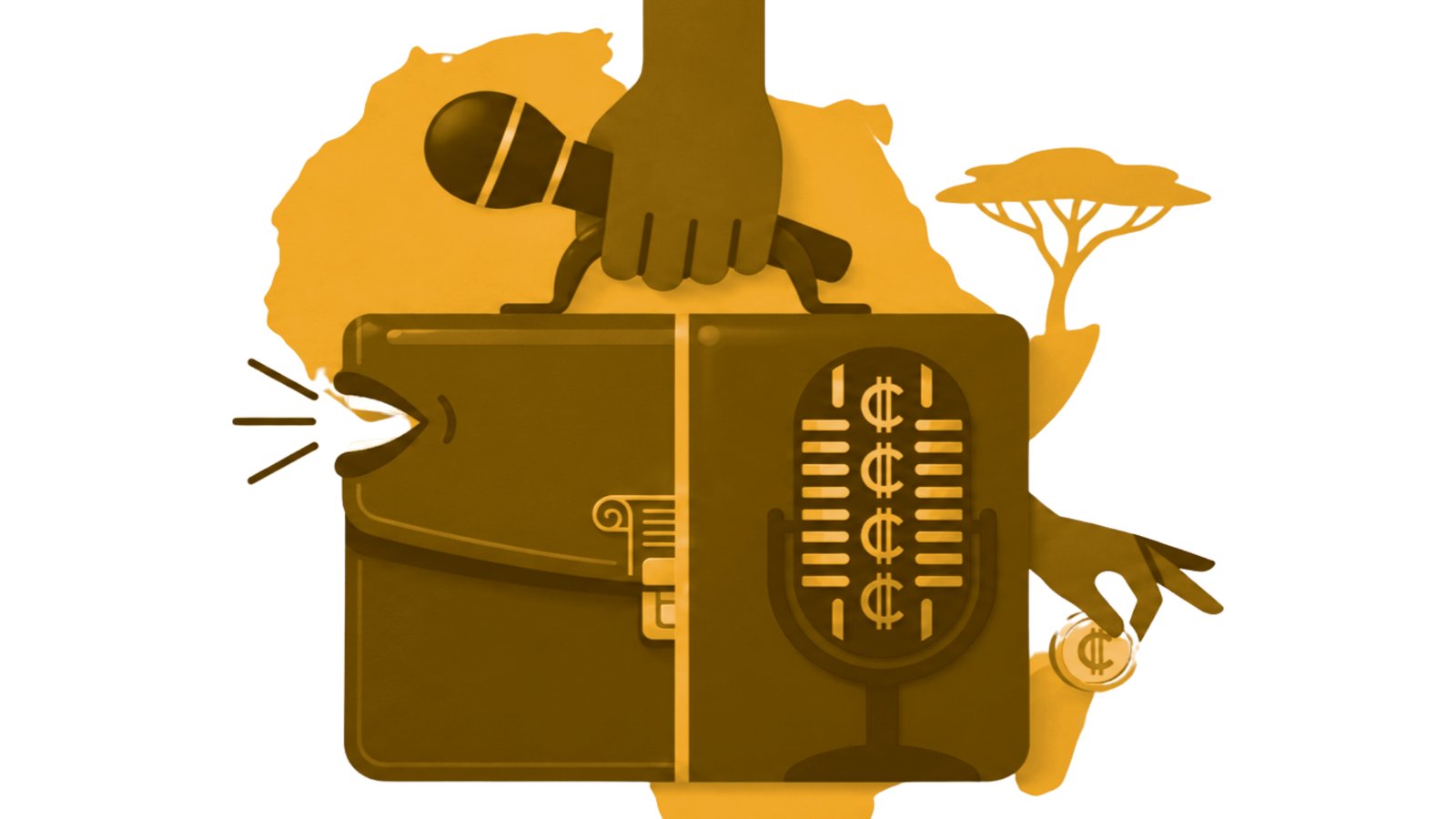
Worst of all, journalism is now for sale. News and events are for the highest bidder. The urge to shape societal opinion towards economic emancipation is totally lost on many supposed journalists in Africa, even in the mainstream media.
Despite having a common enemy in the unrepentant oligarchy, who recycle themselves into power, African journalists still speak with the most biased voices against the people.
Reasonable expectations in South Africa would have expected united voices against black African anti-immigration agitations on the African continent.
Rather, despite knowing that it is all part of the scheme in the apartheid playbook, they either engage in lazy and lousy reportage, avoiding the issues or tacitly justifying the unreasonable action.
In the Nigerian situation, while the reporting industry is now worth a fortune, the contribution to the degradation of Nigeria’s information communication is indeed devastating. Everyone is now a journalist, merely saying what will fetch them money.
The leech of the oligarchy can virtually reach every voice the public could rely on for credible information.
The meaning of patriotism is mostly subjective and driven by self-interest. Even political agitation is for personal gain.
Reporting events is no more than attracting the power that be, not necessarily for the public good. Growing up, journalism felt like signing up for military service for the nation. Digging for the truth is worth dying for, and good people really died for the noble cause.
Societal decay from the manipulation of information to preserve the ruling oligarchy is not just a great disservice to the African continent; it is another means of neocolonialism.
It is bad enough that Western media have taken the liberty to portray Africans and the African continent as barbaric, uncivilised, poverty-stricken, corrupt and oppressive, some of which are true, though the West is the enabler.
African journalism has taken the baton to enlarge the narrative and expose the gloomy pictures the more. Again, only for selfish interest.
The average African journalist is so proud of airing a biased opinion, so much so that they earn the title of public crusaders, media activists.
Yet, the right of the public to know the truth, no matter what, is being distorted in their conscience without a bit of worry. Consequently, the continent bears the brunt of the media corruption, living out the same picture as portrayed by Western media. Is this not the hypocrisy of African journalism?