
The fight to protect a social media-free childhood
A generation is standing at the edge of a historic change. For the first time since the rise of social media, governments are acknowledging what many people have increasingly questioned: childhoods have been transformed by a digital world that was introduced faster than society could understand its consequences.
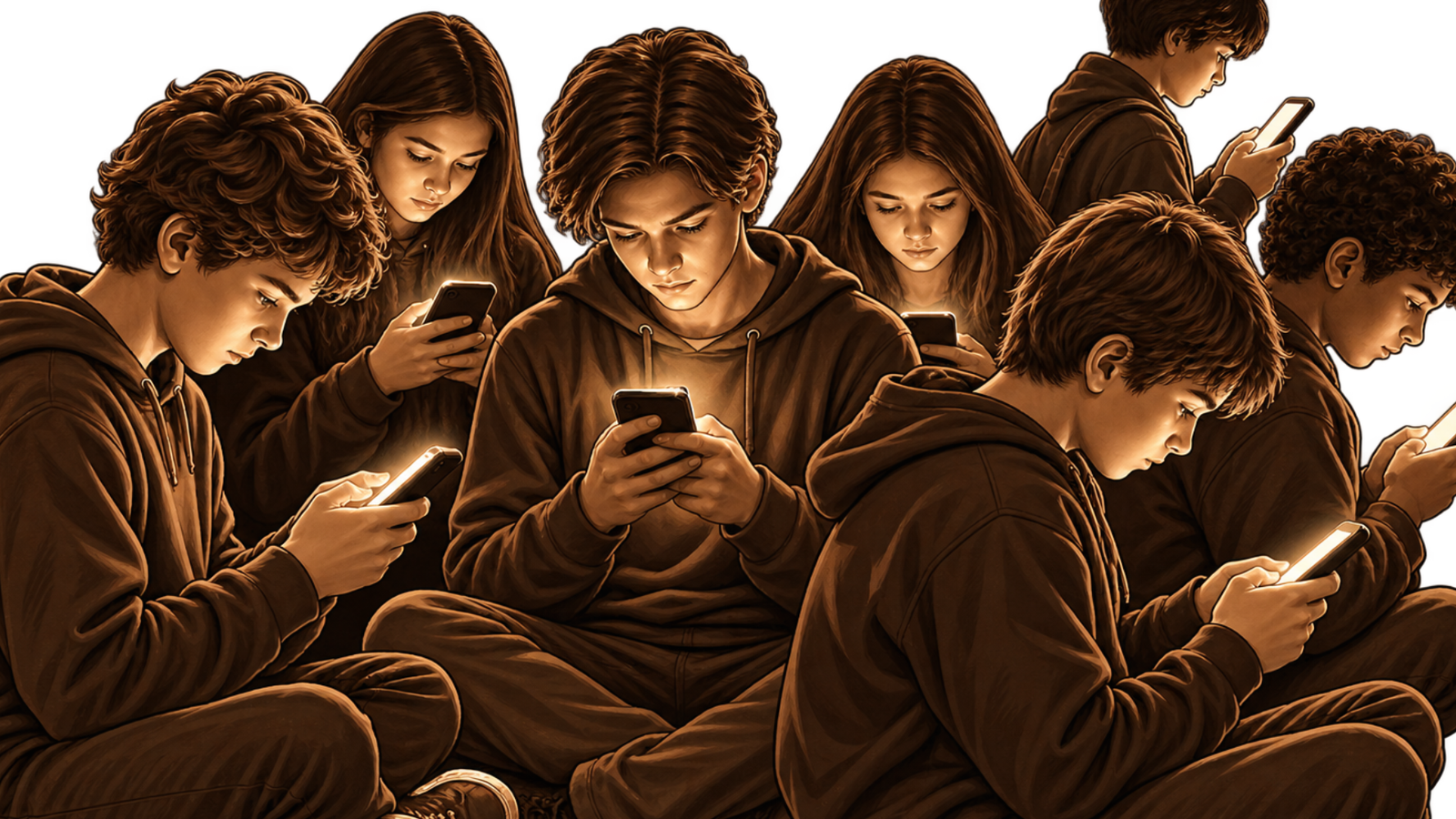
The conversation is no longer about whether social media influences young people; that argument has already passed. The reality is that social platforms have become deeply embedded within childhood, shaping how young people understand their place in the world.
The question now is whether society is willing to accept this as the natural progression of modern life or whether action must be taken to protect something that cannot be replaced once it is lost.
Australia has taken one of the most significant steps by introducing legislation designed to restrict social media access for children. It represents a fundamental challenge to the power of technology companies that have spent years operating with limited intervention.
The message from lawmakers is clear: childhood should not be treated as a marketplace; young people should not be viewed simply as another audience to capture. The United Kingdom has followed a similar direction through stronger online safety legislation, placing greater responsibility on platforms to address harmful content and protect younger users.
For those who remember childhood before social media, the difference is profound. There was a freedom in growing up without the expectation of being constantly visible. Friendships existed without notifications. Mistakes disappeared with time. Confidence developed through real experiences rather than through approval measured by likes, followers and online attention.
The concern is not that technology has no place in childhood. It does. Digital platforms have created opportunities for creativity, education, connection and more that previous generations could never have imagined. The issue is that the balance has shifted. A tool designed to connect people has increasingly become an environment where young people are expected to perform and compete for recognition.
Childhood has always been a period of growth; it requires space to fail privately, to change without explanation and to discover identity away from public judgement. When every moment can be recorded, and every opinion can be amplified, that space becomes increasingly difficult to protect. Technology itself is not the enemy.
Progress has always changed the way humanity lives; every advancement requires responsibility. The mistake of the digital age was believing that innovation alone was enough, without considering what might be sacrificed along the way.
The children growing up today deserve more than constant connection. They deserve moments that are not measured, memories that are not performed and experiences that belong only to them. The possibility of a social media-free childhood is not a rejection of the future. It is a reminder that progress should never come at the cost of the very thing we are trying to protect, childhood itself.