
Can we give these actors and actresses credit?
Acting was considered a profession built through endurance, reputation was earned in rehearsal rooms, on small stages and through years of learning how to inhabit another person’s truth.
An actor’s journey was rarely immediate, it was shaped by gradual recognition of their craft.
The modern entertainment industry operates differently, a familiar face can transform an uncertain project into a financial opportunity before a script has even reached production.
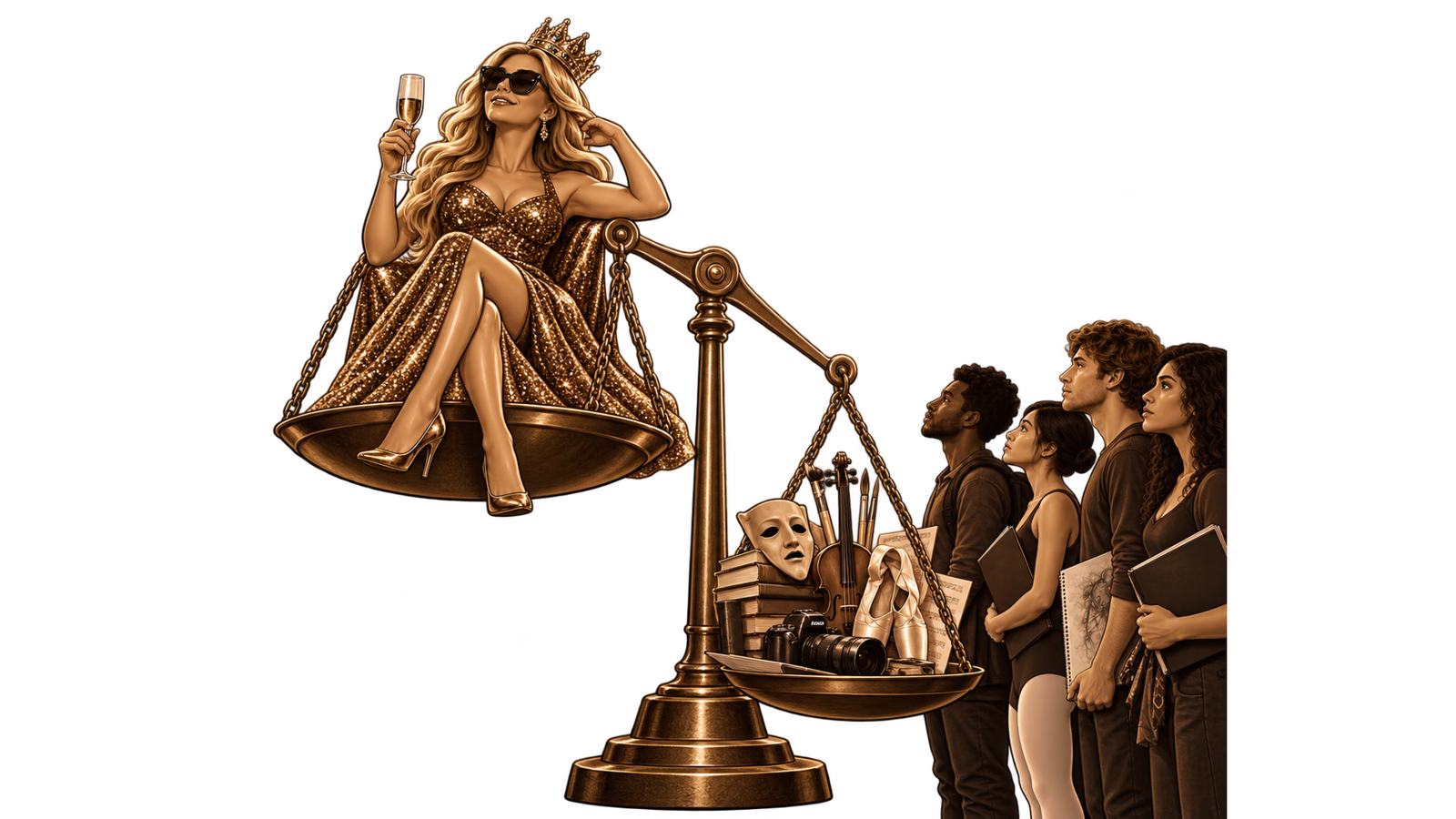
The question facing film and theatre is not whether stars have value but whether celebrity has become more influential than ability when deciding who deserves to tell a story.
The connection between fame and performance has always existed.
Shakespeare understood the importance of recognisable performers, actors such as Richard Burbage becoming celebrated figures of the Elizabethan stage.
Burbage’s reputation was built through the mastery of his profession, not through publicity campaigns or commercial branding.
The arrival of Hollywood changed this relationship forever, actors became carefully constructed identities.
Humphrey Bogart, Marilyn Monroe and Elizabeth Taylor were not simply performers, they became symbols that audiences associated with an entire cinematic experience.
Studios quickly recognised that star power could sell a film before the audience knew anything about the story itself.
That principle remains deeply embedded within contemporary cinema. Major productions now involve extraordinary financial risk, and casting decisions are often influenced by marketability as much as artistic suitability.
The Marvel Cinematic Universe provides a clear example of this with central figures in global franchises built around recognisable personalities.
Their performances contributed enormously to the success of those films, yet the wider industry has increasingly embraced the belief that a known name provides security in a way an unknown performer cannot.
A performer may possess the skills and technical ability required for a role, yet never reach serious consideration because they cannot offer an existing audience.
The audition room is no longer always the place where talent is discovered, sometimes the decision has already been influenced by box office expectations.
In the world of theatre, its historic connection to training and artistic discipline has not been immune.
The West End and Broadway have increasingly turned towards celebrity casting, bringing film stars, musicians and television personalities onto stages traditionally dominated by theatre professionals.
Daniel Radcliffe’s transition from the Harry Potter franchise into serious theatre demonstrated that a famous actor can challenge expectations and earn respect through demanding stage work.
His performances in Equus and The Cripple of Inishmaan proved that celebrities do not automatically diminish artistic credibility.
The debate remains sensitive among actors who have spent decades developing their craft. Many question whether recognition is now being valued above preparation. Performers such as Sir Ian McKellen and Mark Rylance have consistently defended theatre as a unique art form requiring a deep understanding of performance.
Their concerns reflect a wider fear that the industry may gradually move away from discovering exceptional talent and towards selecting the safest commercial option.
This argument is not an attack on successful actors. Many of the world’s most celebrated performers, including Meryl Streep, Denzel Washington and Olivia Colman, have achieved recognition because their talent is undeniable.
Their careers demonstrate that fame and artistic excellence can coexist. The problem occurs when fame becomes the reason an actor is chosen rather than the result of what they can create.
The greatest moments in acting history have often come from unexpected discoveries. Every celebrated performer was once unknown, waiting for someone to recognise their potential.
If casting becomes driven primarily by reputation, the industry risks losing the very thing that keeps film and theatre alive, the excitement of finding someone new who can transform a role completely.
Audiences may arrive because they recognise a name but they remember the moments when an actor makes them feel something they did not expect. That is the foundation of performance and it should remain at the heart of every casting decision.