
The Precision Shooter
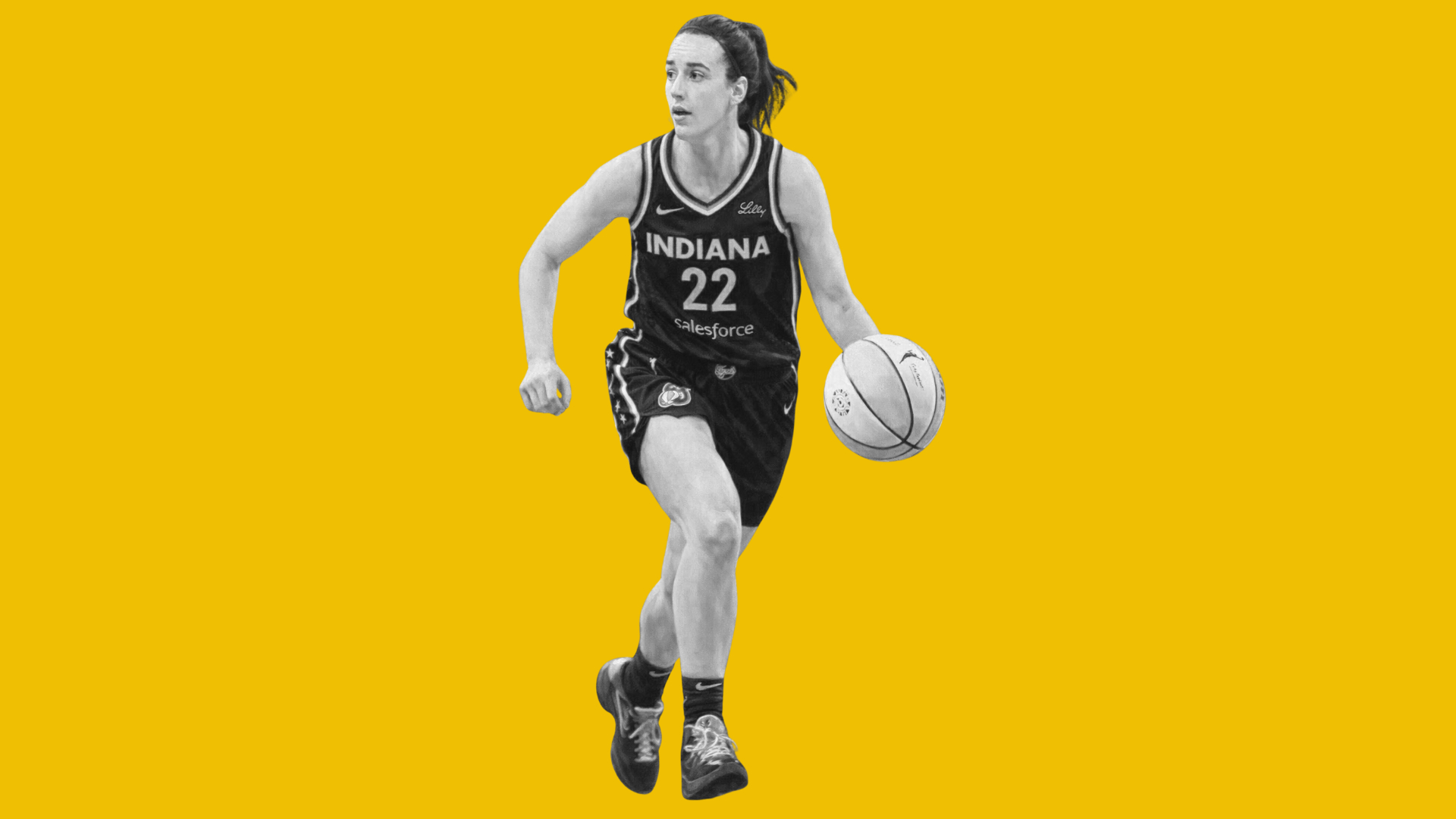
Caitlin Clark lit up the college game and made her name known on a global scale. She was shooting three pointers with remarkable ease, prompting comparisons to Stephen Curry in his prime.
While the WNBA already featured elite long range shooters such as Sabrina Ionescu, who has consistently demonstrated her range from multiple distances, there was a sense that Clark brought something different.
Whether it was her marketability or the sheer level of hype surrounding her, the initial impression was clear: she could play, and her ball handling stood out even at college level.
For Nike to offer her a major contract at the start of her professional career was seen by many as surprising, with some questioning whether she was sufficiently marketable at that stage.From Nike’s perspective, however, it was a calculated decision to secure a rising star who could help strengthen its presence in the women’s game.
As women’s basketball continues to grow in prominence, there is an expectation that a leading figure will emerge, and Clark appears well positioned to take on that role and become the face of the WNBA.
In the short term, it will not be easy for Clark to dominate the league, and some will dismiss suggestions that she could take over so quickly. She enters a competitive environment that includes players from her own cohort, such as Angel Reese, as well as established stars like A’ja Wilson and Breanna Stewart.
However, as these experienced players approach the later stages of their careers, there is a clear opportunity for Clark to establish herself as the leading figure in the league.
There is frequent discussion comparing Clark and Reese, although the comparison is often overstated. Clark’s ability to score both from long range and in the paint, combined with her superior ball handling, sets her apart stylistically.
That said, the league continues to develop emerging talent, with players such as Juju Watkins and Paige Bueckers likely to challenge her position in the years ahead.