
Image credit – Universal Music Group/ OVO
Author’s Score
14/20
Cold bars with not much substance
For most fans of Drake, the surprise release of three albums in one day is an exciting moment. For hip-hop fans in general, it also feels like a breath of fresh air, especially considering that no hip-hop album has reached the Billboard Top 10 since October 2025. Drake has always had a unique ability to dominate the internet, and the release of these three projects on Spotify on May 15 certainly did exactly that. These projects also mark the first major body of work released by Drake following his infamous rap beef with Kendrick Lamar, and according to reports, each project carries a distinctive sound and identity.
Drake goes all in on these albums and leaves no stone unturned, making it clear how he feels about his rivals and critics. The no-holds-barred approach gives the projects a sharper edge and feels like a deliberate attempt to cement his place on hip-hop’s Mount Rushmore. However, while Drake’s commercial success and streaming numbers are undeniable, there is still an argument that he has more to prove before being universally recognised as one of hip-hop’s greatest icons. Streams alone do not automatically place an artist at that level, and song-for-song comparisons with some of hip-hop’s all-time greats still leave room for debate.
This release feels necessary for Drake at this stage of his career. From the opening track, Make Them Cry, he immediately sets the tone with five minutes of focused lyricism, reflecting on his life, his struggles, and the criticism he has faced throughout his career. The performance is strong enough to challenge long-running accusations about ghostwriters. If listeners still doubted Drake’s writing ability, this track may force them to reconsider.
The entire project carries the atmosphere of a diss album, with Drake delivering calculated shots through layered metaphors and subtle wordplay that require listeners to read between the lines. On Make Them Pay, he appears to take aim at both Kendrick Lamar and J. Cole, referencing the respect he once had for Cole while suggesting that it has faded. Kendrick is also targeted through controversial commentary about his audience and public perception. Other figures seemingly caught in Drake’s crossfire include Rick Ross, Pusha T, and even LeBron James.
Despite the heavy focus on diss records and lyrical attacks, Drake still manages to incorporate multiple subgenres of hip-hop across the projects. Ran to Atlanta embraces a trap-inspired sound, with contributions from Future and Molly Santana helping create a strong Dirty South atmosphere. Meanwhile, Whisper My Name pays tribute to the signature style of Migos through sharp ad-libs and references to Takeoff. Tracks like Shabang and Little Birdie lean more toward club-oriented production and are likely to become fan favourites in nightlife settings.
Overall, Drake delivers a compelling project packed with strong hip-hop influences that many fans of the culture will appreciate. Drake supporters will likely enjoy the ambitious nature of releasing three projects at once, though for some hip-hop listeners, consuming that much music within 24 hours may feel overwhelming. From a business perspective, however, the move makes sense, particularly considering Drake’s reported $400 million deal with Universal Music Group.
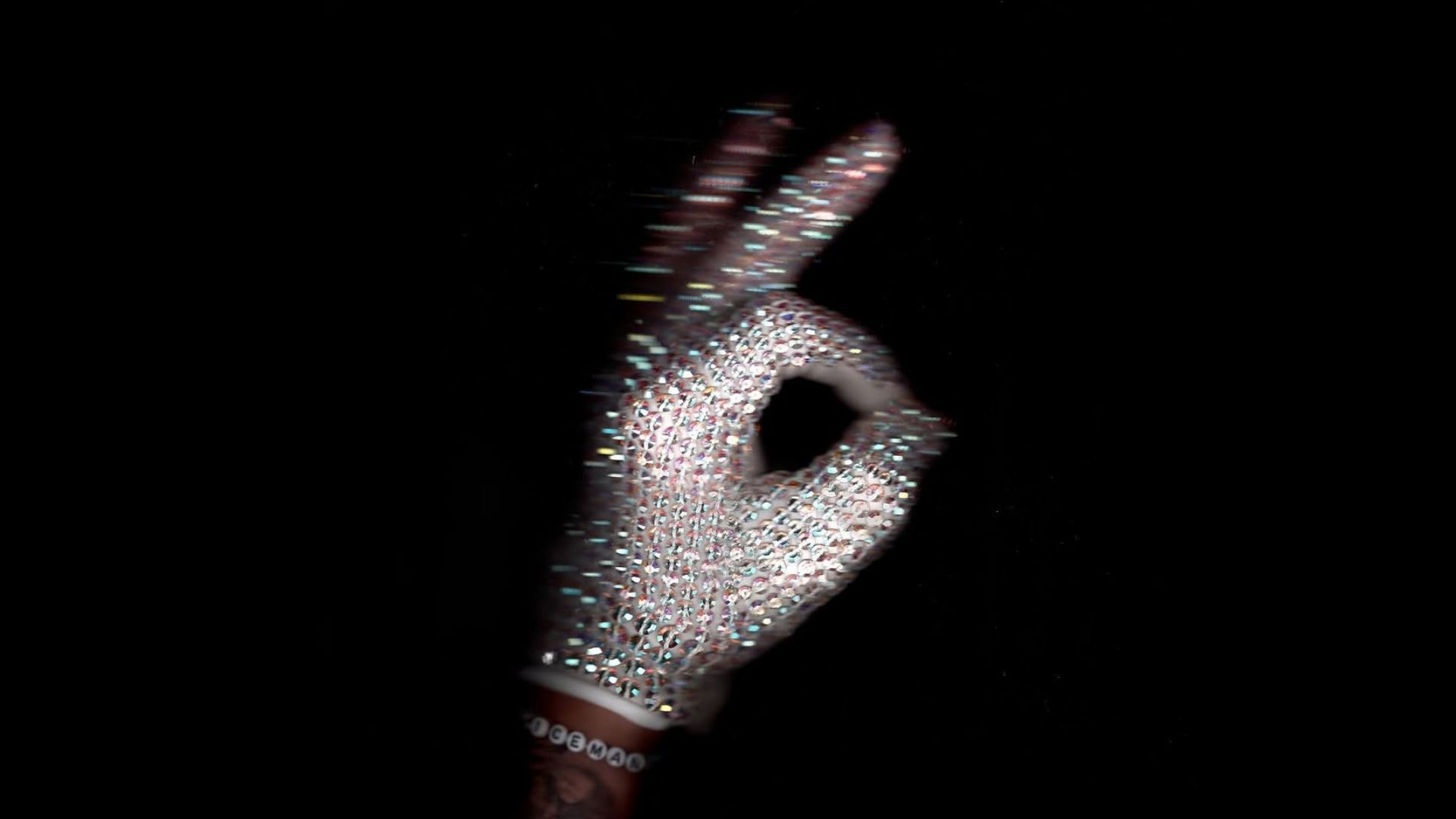
ICEMAN is a strong release for the current moment, especially at a time when many fans feel the genre lacks artists with distinctive and credible sounds. However, the bigger question is longevity. While the projects are dominating conversation now, some listeners may wonder whether these albums will still hold the same cultural impact several months from now, much like the criticism often directed at some of Drake’s previous releases.
Stay tuned for the other two reviews…