
The US is not fit to host the World Cup
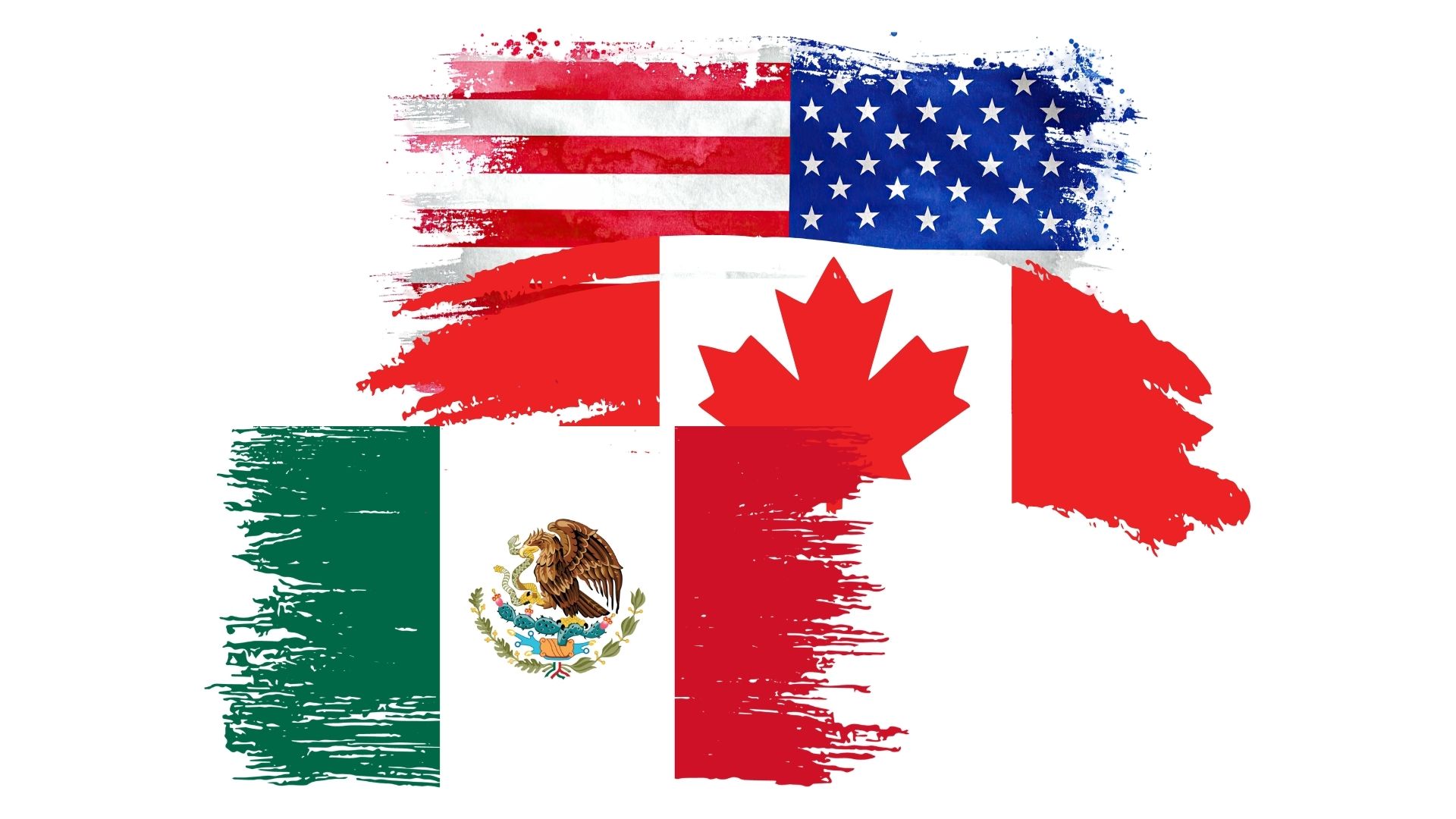
On the day of the World Cup, it feels as though hosting the tournament in North America is creating problems before a ball has even been kicked. The issues surrounding the tournament have sparked controversy and reignited debates about racism, fairness and democracy. Questions have been raised about whether democratic values are being upheld, and many people fear that the reputation of democracy could be damaged after reports that fans and referees from certain countries have faced restrictions on attending the World Cup.
The other two host nations appear to have managed their border policies with greater consistency, and there have been fewer concerns regarding fairness in Canada and Mexico. In the United States, however, critics argue that matters have been taken too far, leading some to describe this as a potential World Cup from hell, particularly for teams scheduled to play their matches there. Iran has reportedly experienced significant difficulties in the buildup to the tournament, with players facing visa restrictions and some members of the backroom staff allegedly having their visa applications rejected. The Uzbekistan squad has also been the subject of scrutiny, leading to accusations of unfair treatment.
Critics argue that these measures reflect the full force of the MAGA movement and claim that some Americans appear comfortable with the treatment of certain fans and players. Meanwhile, other Western nations and countries in the Far East, such as Japan, have not reportedly experienced the same level of scrutiny. For some observers, this raises serious questions about fairness and equality of treatment.
The fact that FIFA has not intervened more forcefully or implemented additional measures to address these concerns has led some to suggest that the organisation is reluctant to challenge the United States over the issue.
Traditionally, FIFA has encouraged host nations to ease visa restrictions during major tournaments, but some critics argue that FIFA president Gianni Infantino has been unwilling to pressure President Donald Trump to relax immigration requirements.
This has become an embarrassing situation for FIFA, particularly following reports that one of its prominent referees from Somalia, Omar Artan, was unable to enter the United States. The incident has generated criticism of the United States, with some individuals even calling for sanctions.
However, many believe such measures are unlikely due to the country’s global influence and political power. Despite these controversies, the atmosphere around the tournament has remained largely positive, as fans and teams attending the World Cup are determined not to allow political disputes to overshadow the spirit of the competition.
Many critics believe that awarding matches to the United States has proven controversial and has overshadowed the efforts made by Canada and Mexico to ensure a successful tournament. They argue that the reputation of the World Cup has been negatively affected by political and immigration issues. The deployment of ICE personnel around stadiums in the United States has also raised concerns among some supporters, who say it makes them feel uncomfortable or unwelcome.
For those who hold this view, the World Cup appears to have become an opportunity for the United States to demonstrate that it remains a global superpower. Some critics argue that a nation once admired for its cultural influence is now facing increasing international criticism. They believe that the way this World Cup is remembered could influence perceptions of the United States’ standing in the world and potentially create opportunities for rival powers, such as China, to strengthen their global influence.