

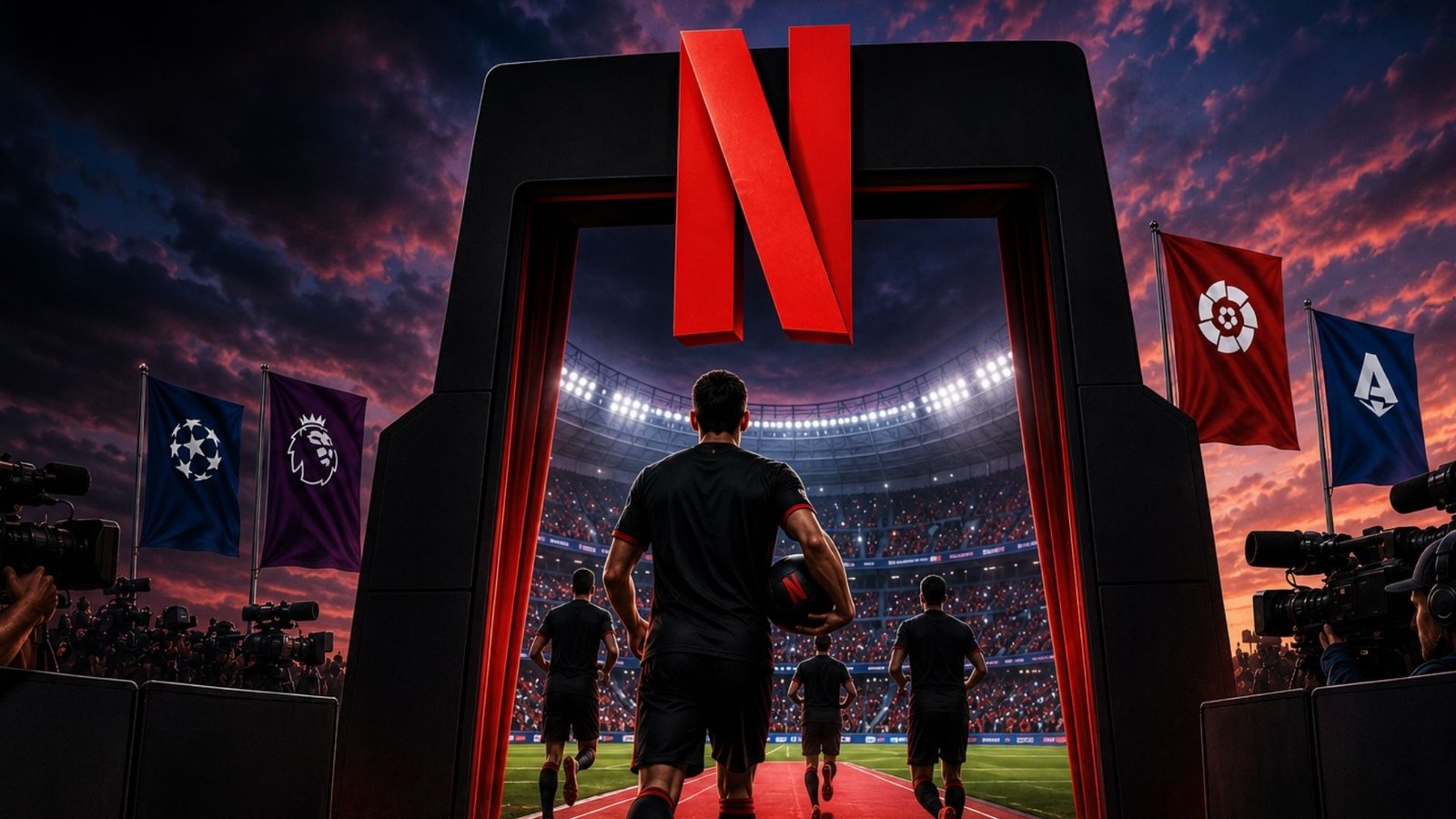
This will not be fair
Netflix has made the TV series and film landscape its own, dominating the streaming market for nearly two decades. For many people, Netflix is the first choice for entertainment before they even consider going to the cinema. The company has conquered the streaming market and has done so without relying solely on its partnership with Warner Bros. Instead, Netflix has built its success by investing heavily in original content and attracting some of the biggest names in the entertainment industry with what many refer to as “Netflix money.”
The phrase “Netflix money” has become synonymous with the company’s financial strength and its ability to attract top talent. Netflix has reportedly paid comedians such as Dave Chappelle substantial sums for exclusive comedy specials, helping to drive subscriptions and strengthen its content library. The company has also invested in productions from smaller studios around the world, creating global hits such as Money Heist, which became one of Netflix’s most successful international series.
Netflix is now a powerful entertainment company that is extremely difficult for competitors to match. At the same time, traditional broadcasting continues to evolve. Major broadcasters such as Fox Sports and CBS have increasingly collaborated with digital creators and influencers, including iShowSpeed, to reach younger audiences through live-streaming content. Similarly, European football leagues have embraced online creators. The Bundesliga, for example, has partnered with YouTubers such as Mark Goldbridge to promote the league and engage football fans around the world.
One area where Netflix has yet to make a significant move is live football broadcasting. While competitors have invested heavily in sports rights, such as Amazon Prime Video with UEFA Champions League coverage, Apple TV with Major League Soccer (MLS), and other streaming services securing football content; Netflix has largely focused on documentaries and, more recently, live boxing events. Its entry into live boxing has demonstrated that the company is willing to expand beyond traditional entertainment.
If Netflix were to enter the football broadcasting market in a meaningful way, it could significantly reshape the industry. With its global reach, financial resources, and established subscriber base, Netflix has the potential to become one of the dominant players in sports streaming. Greater competition could also put pressure on broadcasters to offer better value for consumers.
One possibility would be for Netflix to pursue English Premier League broadcasting rights, particularly for the Saturday 3 p.m. kick-offs that are currently unavailable for live domestic television broadcast in the UK. While this would require major regulatory and commercial changes, it could transform how supporters access live football. A subscription-based model through Netflix could make matches more accessible to fans and, if priced competitively, offer an alternative to the high costs associated with multiple sports broadcasting subscriptions.
Whether Netflix decides to enter the football rights market remains to be seen. However, given its history of disrupting industries, it would be unwise to dismiss the possibility that it could become one of the biggest players in live sports broadcasting over the next decade.