
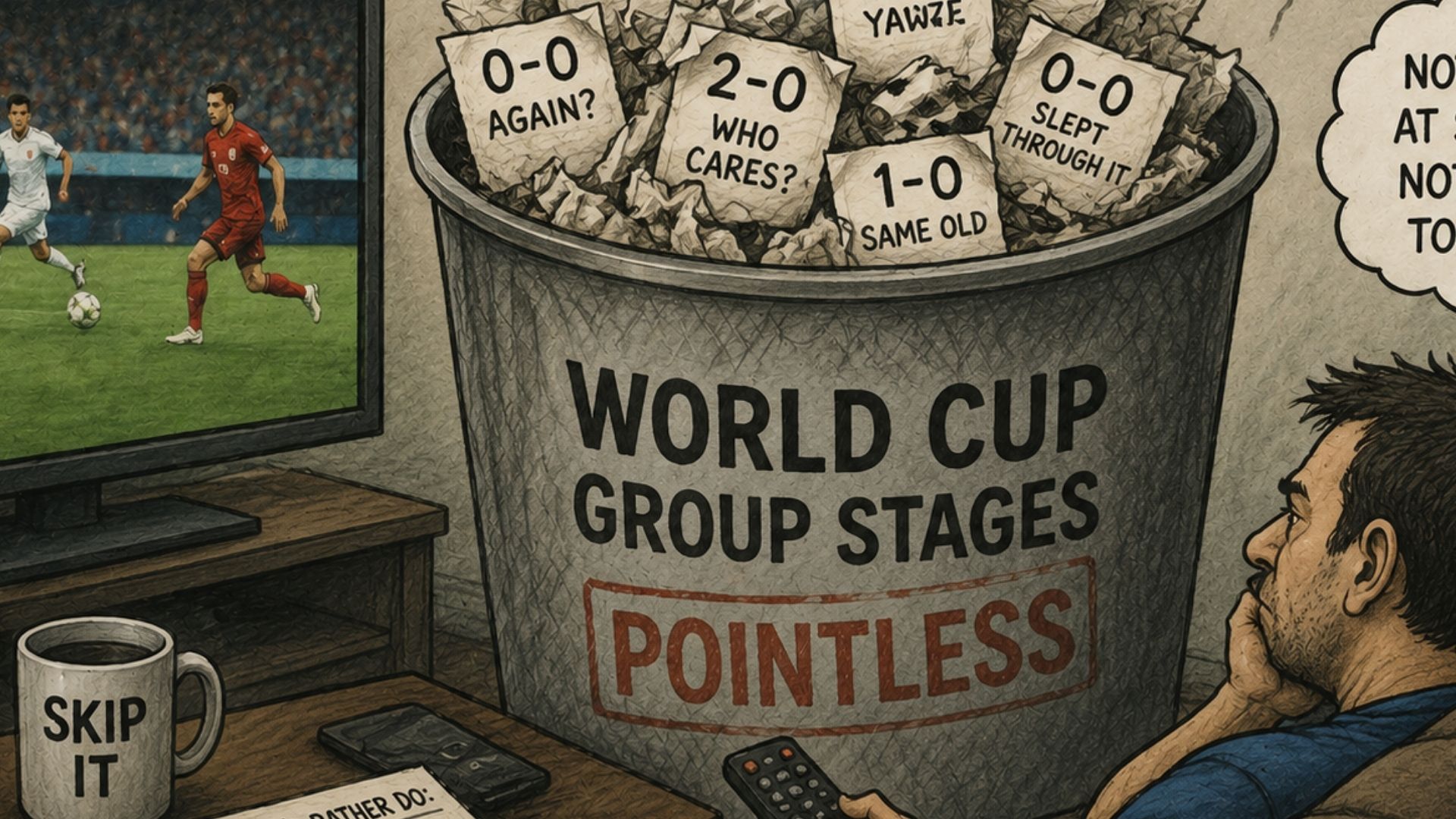
Would the opportunity for 48 countries competing create boring matches?
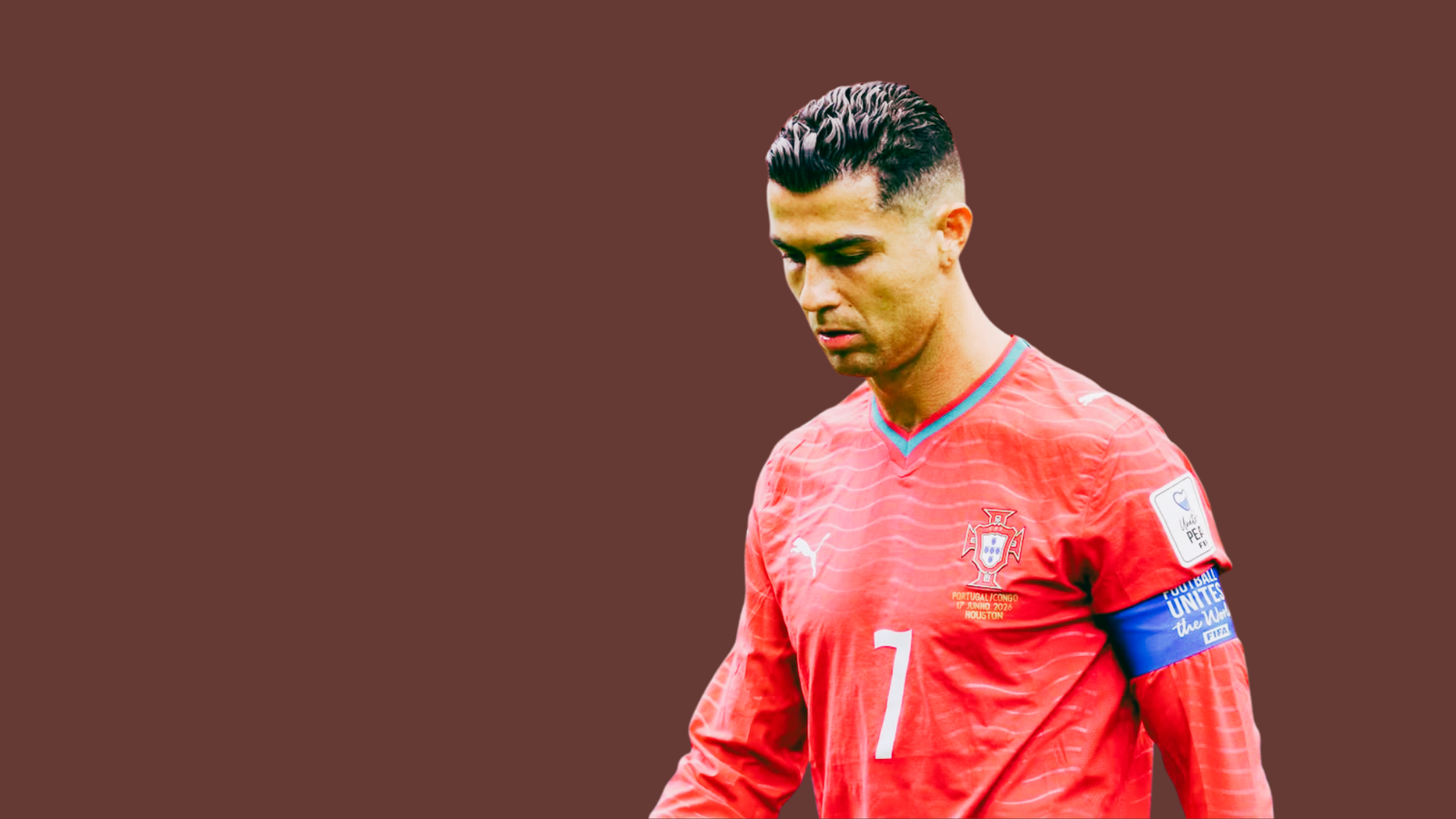
The FIFA World Cup remains the pinnacle of international football, a tournament that unites billions of supporters across the globe and produces some of the sport’s most iconic moments. Every four years, nations dream of glory, players become heroes, and history is written. As the 2026 edition gets underway, an increasingly important question is beginning to emerge: have the World Cup group stages lost their sense of occasion?
For the first time in the tournament’s history, 48 nations are competing for football’s greatest prize. FIFA’s expansion was designed to increase global representation and provide more countries with the opportunity to participate on the biggest stage. While that objective is admirable, it has also raised concerns regarding the overall competitiveness of the group phase.
Historically, the group stage has served as an introduction to the tournament, allowing favourites to establish themselves before the knockout rounds. The reality is that many of the world’s elite nations consistently progress with little difficulty. The seeding system, which separates the strongest teams into different groups, often creates predictable outcomes long before the decisive fixtures are played. As a result, many matches lack the intensity and jeopardy that make tournament football so compelling.
The expanded format has only intensified this debate. More teams, more fixtures and a greater disparity in quality between nations mean that some contests have struggled to capture the imagination. Empty seats, one-sided scorelines and a noticeable absence of competitive tension have led many supporters to question whether the opening phase of the competition has become diluted.
Club football has recently moved in the opposite direction. UEFA’s revamped Champions League format was initially met with scepticism, yet it has delivered a number of high-profile encounters and meaningful matches. Every fixture carries significance, creating a sense of urgency typically associated with knockout football.
The World Cup will always remain football’s most prestigious competition, but prestige alone does not guarantee entertainment. As the tournament continues to expand, FIFA faces an increasingly difficult challenge: are the World Cup group stages still worth watching? The answer may depend on whether supporters value the journey as much as the destination. Yet if predictability continues to outweigh competitiveness, football’s greatest tournament may eventually need to rethink how its opening act is performing.