
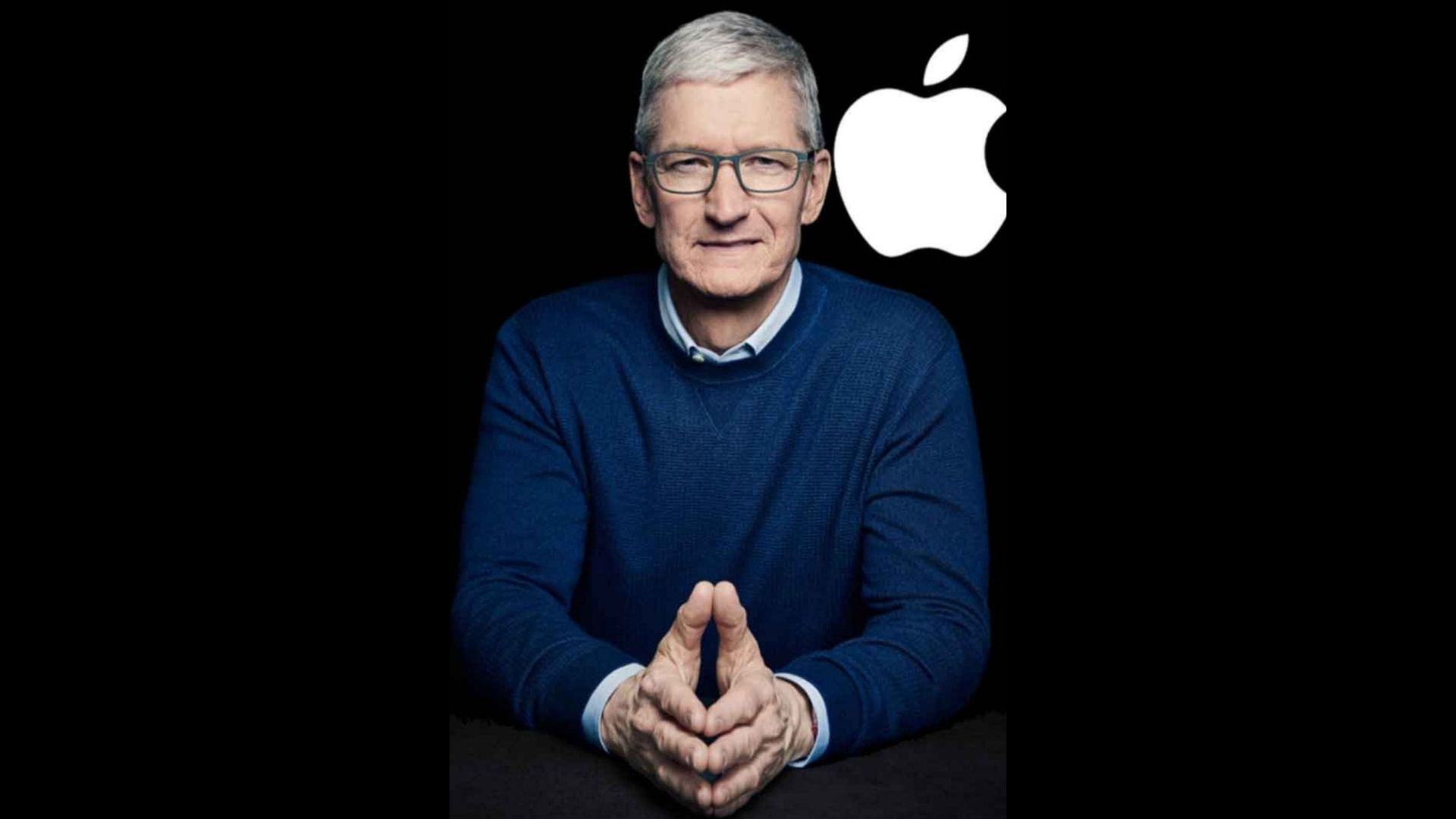
The reason Cook has stepped down, and Ternus is taking over
When Steve Jobs stepped away from Apple Inc. during his illness, the company was widely seen as a hub of innovation. A steady stream of new ideas and products sat at the heart of its identity. Jobs shaped Apple’s infrastructure in a way that made product development feel fluid, ensuring that consumer behaviour remained loyal while the products themselves continued to feel fresh and inventive.
After his passing in 2011, however, Apple has increasingly been seen as a company that risks losing customers to competitors, while refining and repackaging similar products each year rather than delivering truly new ideas.
The appointment of Tim Cook in 2011 was a strategic decision, as Apple chose someone who had worked closely with Jobs and understood the company’s internal culture. However, Cook did not share the same instinct for product innovation or the same ability to inspire bold, original ideas. Instead, his approach has often involved evolving existing concepts and presenting them in updated forms.
From a business perspective, this has been effective, and his marketing strategy has been strong. While customers have called for more visible design changes to products such as the iPhone and MacBook, Cook has largely retained familiar designs, focusing instead on internal improvements such as processing power and storage, particularly through Apple’s custom silicon.
Over the past fifteen years, Cook has focused on strengthening the Apple ecosystem and emphasising how seamlessly its products connect. This ecosystem has become one of Apple’s most powerful selling points, encouraging customers to stay within the brand. The convenience of using an iPhone alongside a MacBook or connecting devices such as AirPods has reinforced this strategy.
Cook’s vision has been less about redefining products and more about expanding Apple’s market value, which he has achieved by growing the company into one of the most valuable in the world. However, this focus has also led to criticism that Apple has become less innovative. The acquisition of Beats by Dre for $3 billion is often cited as an example. While Beats was a strong and distinctive brand, it became secondary after Apple introduced its own premium headphones, raising questions about long-term product direction.
Critics argue that Cook’s strengths lie more in strategy than in product vision, and that Apple’s core products have not evolved as boldly as they once did. There is a growing belief that the company now needs leadership with a stronger focus on design and innovation.
Figures such as John Ternus are often mentioned in this context, as he is seen as someone with a strong understanding of product development and user needs. With the right leadership, Apple could shift back towards a culture where innovation is once again at the forefront, delivering new ideas that resonate with the next generation of consumers.