

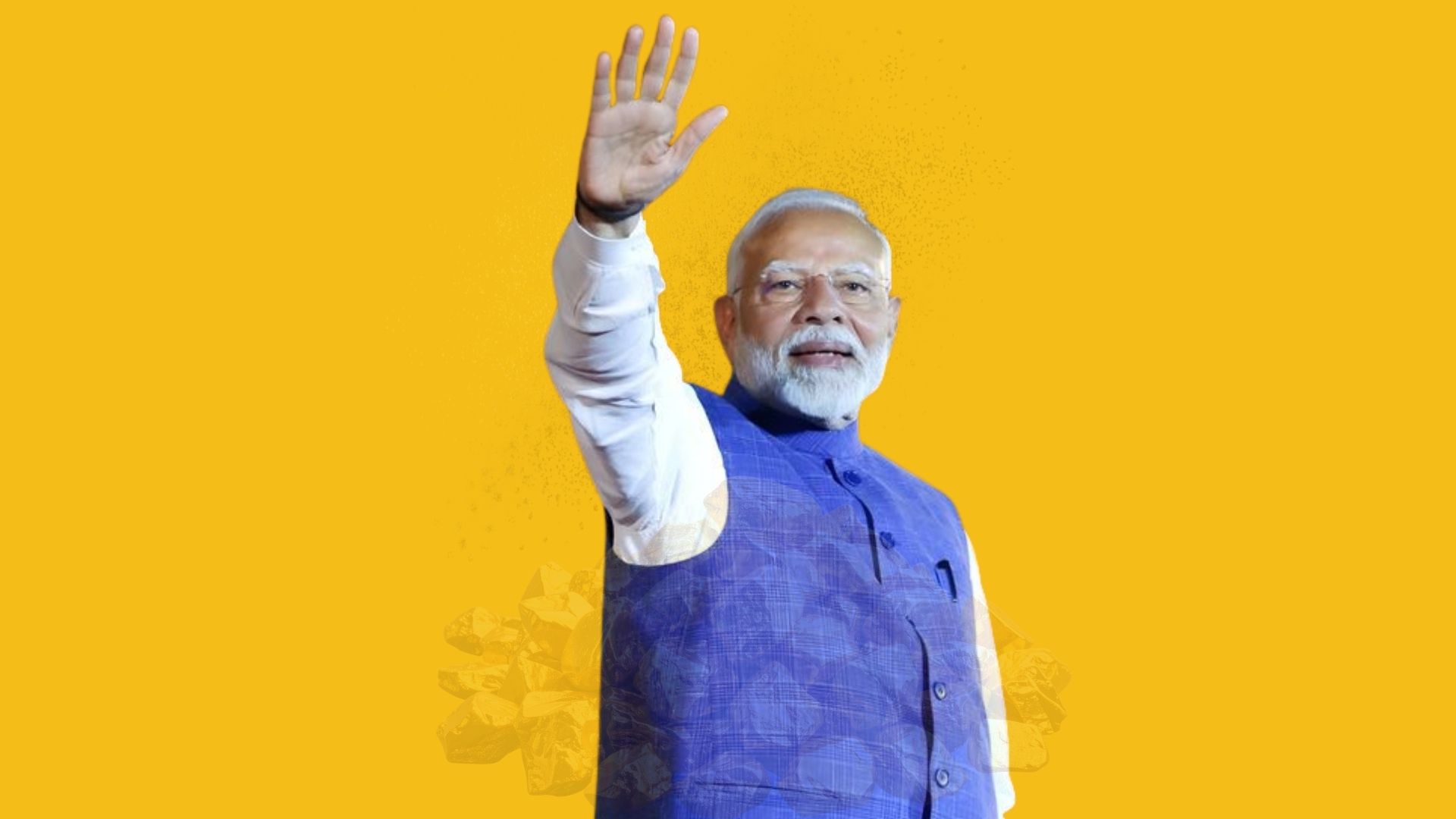
Gold is an important commodity
Considered one of the largest economies in the world, India has emerged as a major global service hub. Many international call centres, technology firms, and financial service operations are based in the country, and India continues to expand into new sectors to strengthen its economic development. Although parts of the country still struggle with poverty, India has consistently encouraged foreign investment as a way to reduce poverty levels and create employment opportunities, particularly for citizens in rural areas.
Recent investments by Apple to manufacture iPhones in India demonstrate the country’s growing ability to attract major multinational corporations. These investments not only boost India’s global economic standing but also increase job opportunities for millions of citizens. India also benefits from a strong education system, with a large proportion of its population receiving quality education and technical training. This has contributed to improvements in infrastructure and innovation, giving the country the expertise needed to attract further foreign direct investment.
However, the Indian economy has slowed in recent months, partly due to global geopolitical instability and rising energy concerns linked to tensions involving the United States and Iran. These tensions have contributed to energy market uncertainty, forcing the government of Modi to rethink strategies for stabilising the economy. Modi has encouraged citizens to reduce spending on gold and limit luxury expenses have sparked debate about how best to manage economic pressure during uncertain times. This has sparked outrage for diaspora Indians and citizens due to the reliance of gold for big occasions.
However, reducing gold purchases may not necessarily stabilise the economy. In India, gold is not only an investment commodity but also a deeply important part of cultural traditions, particularly during weddings, festivals, and celebrations. For many Indians, buying gold represents both financial security and social tradition which are part of societal norms. Gold also remains one of the world’s most valuable commodities, alongside oil, and high global demand often strengthens its importance during periods of economic uncertainty where people can profit when the economy gets better in the future .
It can therefore appear as though the government is attempting to protect national financial reserves and maintain economic stability by discouraging excessive consumer demand for gold. However, critics may argue that broader fiscal interventions are needed instead. Strengthening financial markets, controlling inflation, stabilising unemployment, and increasing domestic production may prove more effective in supporting long-term economic growth.
At the same time, implementing overly strict austerity measures or significantly reducing consumer spending could risk slowing economic activity further. Consumer spending plays a major role in economic growth, and if purchasing power declines too sharply, it could contribute to economic stagnation or even recession. India’s challenge moving forward will be finding a balance between protecting economic stability and maintaining the consumer confidence that has helped drive its rapid development in recent decades.