

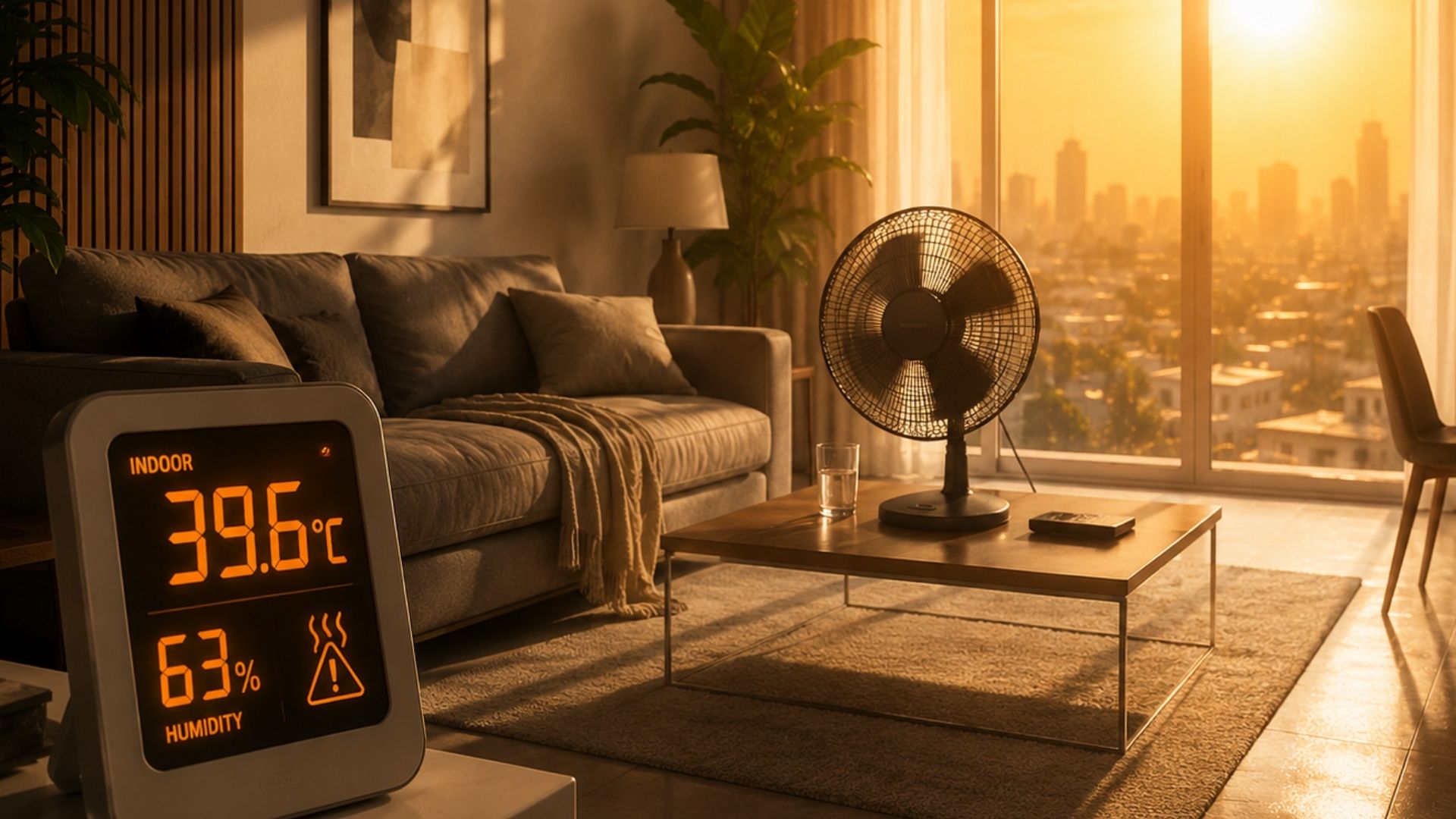
Future generations may inherit not only a warmer planet, but homes that are harder to live in
Climate change is everywhere. People across the world are already living with its effects through extreme heat, floods, droughts, fires and changing seasons. But in the UK this week, one of the clearest ways to feel climate change is not through a scientific report or a distant disaster. It is through the heat inside our own homes.
The heat is felt in every corner of the home. It is in the bedroom that does not cool down at night, in the living room that feels heavy by afternoon, and in the kitchen where even cooking becomes uncomfortable. It is in the child who cannot sleep, the older person who struggles to breathe easily, and the family that waits for evening but still finds no relief.
Think of children coming home from school on a scorching afternoon. They arrive tired, thirsty and drained by the heat, expecting home to be the place where their bodies can cool down and recover. But when the rooms are already boiling, the heat follows them inside. The bedroom does not offer rest. The living room does not offer comfort. Instead, the home becomes part of the heatwave itself. This is how climate change enters family life, not as an abstract warning, but as a daily experience of discomfort, exhaustion and vulnerability.
For many years, UK homes were designed around cold weather. The main concern was how to keep warmth inside, reduce draughts and protect people from long winters. That approach made sense in a country shaped by cold, damp weather and high heating needs. But the climate around these homes is changing. Summers are becoming hotter, heatwaves are becoming more intense, and houses built to retain heat are now struggling to release it.
This does not mean that insulation or energy efficiency are wrong. They remain important for reducing carbon emissions and protecting people from cold homes in winter. But housing can no longer be designed only with winter in mind. A good home in a changing climate must be able to keep people warm in January and safe in July.
This is why climate change is no longer only an environmental issue. It has entered everyday life. It is changing how we sleep, work, cook, rest, study and care for each other. If we do not rethink the way we design, adapt and live in our homes, future generations may inherit not only a warmer planet, but homes that are harder to live in.
The question is no longer whether climate change will affect the way we live. It already has. The real question is whether we are ready to rethink our lifestyles, redesign our homes and take collective responsibility, so that future generations do not inherit a world where heat, discomfort and climate stress become normal parts of everyday life.