
There must be some justifications for this?
Arsenal is often described as one of the most hated football clubs in the world. While many football fans may disagree with that statement, there is no denying that Arsenal attracts a significant amount of criticism and scrutiny. The club has even been labelled “VARsenal” by rival supporters, a nickname that stems from the belief that key VAR decisions during Premier League matches have favoured Arsenal and influenced important results.
For many years, Arsenal was regarded as the “banter club” of English football, particularly before Mikel Arteta took charge following the departure of Unai Emery. Arteta spent six years rebuilding a squad that many felt had become depleted and filled with egos. Although he was heavily backed financially, with significant investment in the squad, he was also given the time and support needed to establish his vision and create a blueprint for a winning team.
One reason Arsenal is disliked by some rival fans is the perception that a section of the fanbase can be overly optimistic and occasionally detached from reality. Claims such as Arsenal being the biggest club in the world, or that players like Declan Rice and Bukayo Saka should automatically win Player of the Season awards or the Ballon d’Or, often frustrate rival supporters and fuel heated debates online. However, it is important to acknowledge that the majority of Arsenal fans are far more measured. Many understand that the club’s recent success does not yet compare to some of Europe’s most decorated teams and are willing to accept that reality.
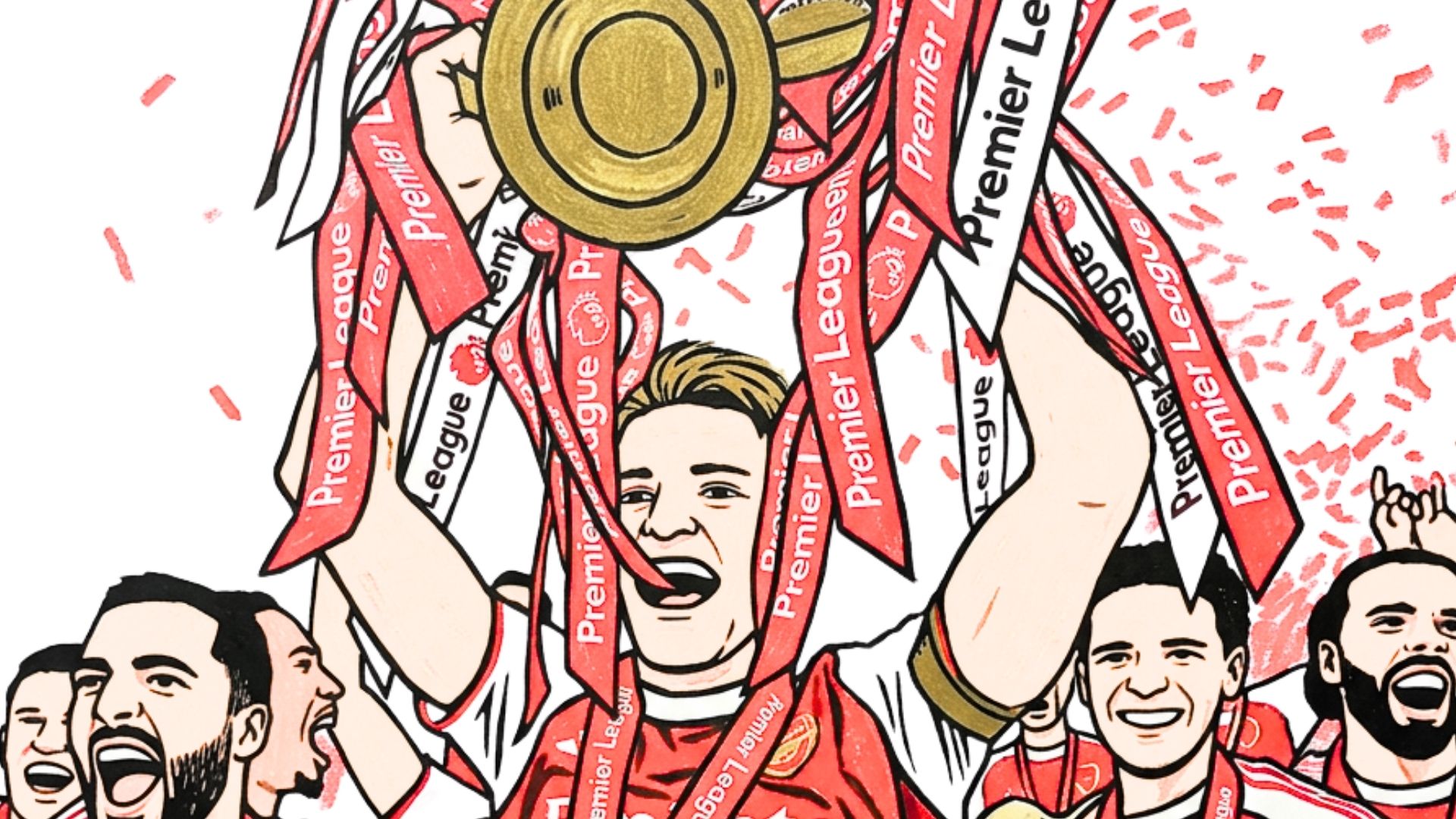
At the same time, some rival supporters argue that Arsenal have benefited from controversial decisions during their title-winning campaign. Whether those claims are justified or not, they have contributed to the narrative that Arsenal receives favourable treatment compared to other clubs.
The level of opposition towards Arsenal became particularly noticeable during the 2026 UEFA Champions League final between Arsenal and PSG. Many rival supporters from England and around the world appeared to back PSG, with some even purchasing PSG shirts and flags despite having little connection to the French club. There was a widespread perception that many neutrals simply did not want Arsenal to win.
From the first whistle to the final moments of the match, whether in pubs, house parties, gardens, or online watch-alongs, there seemed to be a strong desire among many viewers to see Arsenal lose. What made this particularly striking was that English clubs competing in European finals, such as Aston Villa or Crystal Palace, often receive widespread support from football fans across the UK. Arsenal appeared to be an exception. Even social media activity from rival clubs, such as Chelsea highlighting their European trophy collection on the day Arsenal lost, was interpreted by some supporters as a subtle reminder of Arsenal’s shortcomings on the biggest stage.
There is also an argument that Arsenal fans have, to some extent, contributed to this perception themselves. The rise of AFTV has undoubtedly amplified the club’s online presence, but it has also exposed the most extreme opinions within the fanbase to a global audience. Bold claims, exaggerated expectations, and provocative content designed to generate views and engagement have often reinforced negative stereotypes about Arsenal supporters.
It is unfortunate that some English football fans struggle to support fellow English clubs in European competitions. However, Arsenal supporters must also recognise that perceptions matter. A greater sense of humility from certain sections of the fanbase could help reduce some of the hostility directed towards the club. Likewise, fan media platforms could benefit from providing more balanced coverage rather than relying on sensationalism for attention.
Ultimately, Arsenal remains one of the biggest clubs in English football, but with that status comes increased scrutiny and criticism. Whether fair or unfair, the club’s supporters will continue to face opposition from rival fans until perceptions begin to change both on and off the pitch.